Browse·Compounds·Celestron EdgeHD 9.25"
Celestron
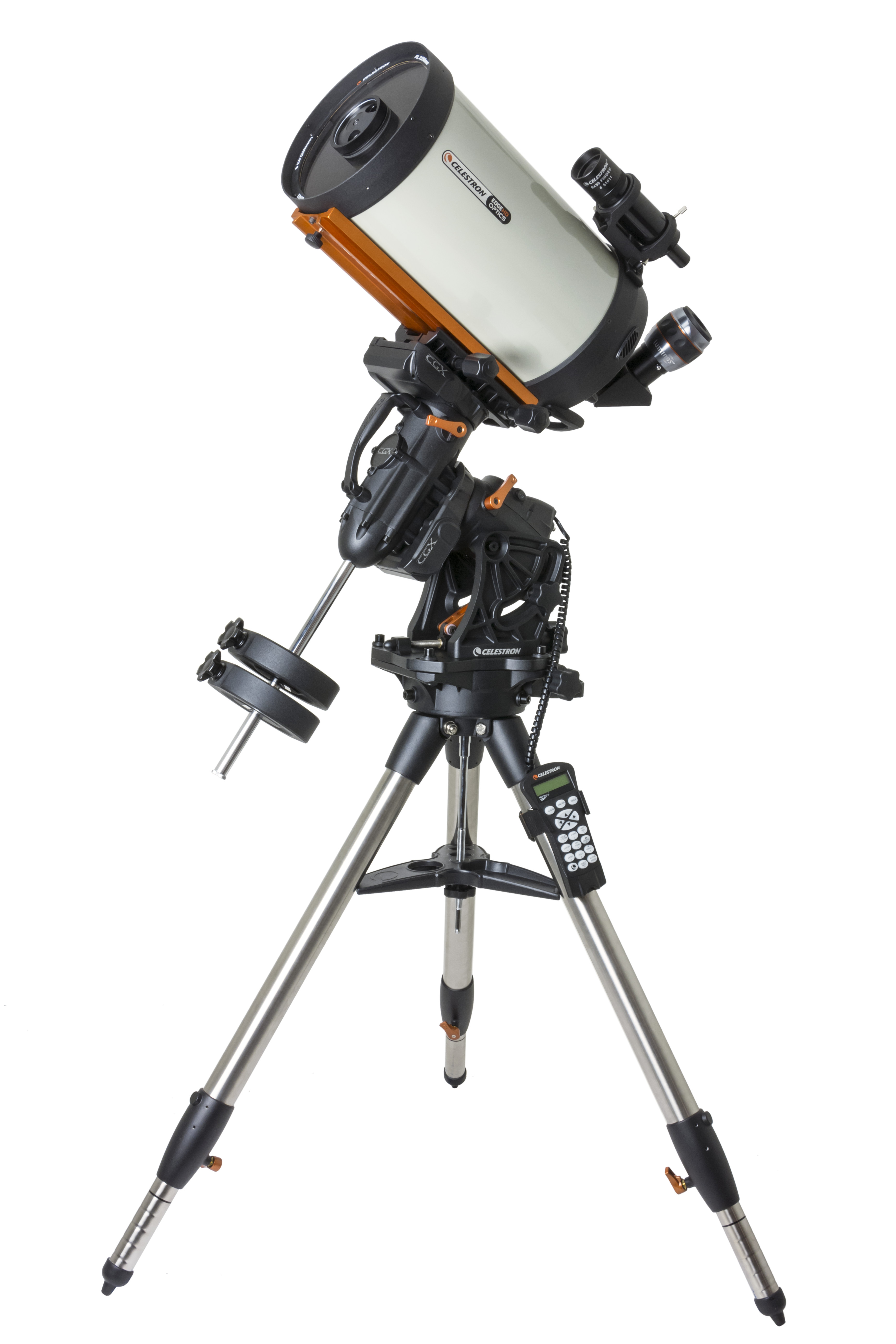
Celestron EdgeHD 9.25"
A premium Schmidt-Cassegrain with flat fields and sharp optics across the entire sensor.
Affiliate link — we earn from qualifying purchases at no extra cost to you.
Top targets reported by owners
What you'll see
Jupiter
exceptional detail visible; one owner reported Jupiter detail so sharp it remained etched in memory…
Planetary nebulae
described as 'wonderful' views with excellent detail
Star clusters
excellent detail and sharpness reported
Double stars
good contrast and separation
Worth knowing before you buy
Requires precise back-focus distance for proper field correction; eyepieces or cameras must be within a few millimeters…
Vignetting increases significantly with full-frame sensors and focal reducers; Celestron EdgeHD 14" with focal reducer s…
The baffle tube and correction lenses are positioned very close to the visual back, creating sensitivity to focal plane…
Head to head
How it compares
EdgeHD 9.25"
Celestron
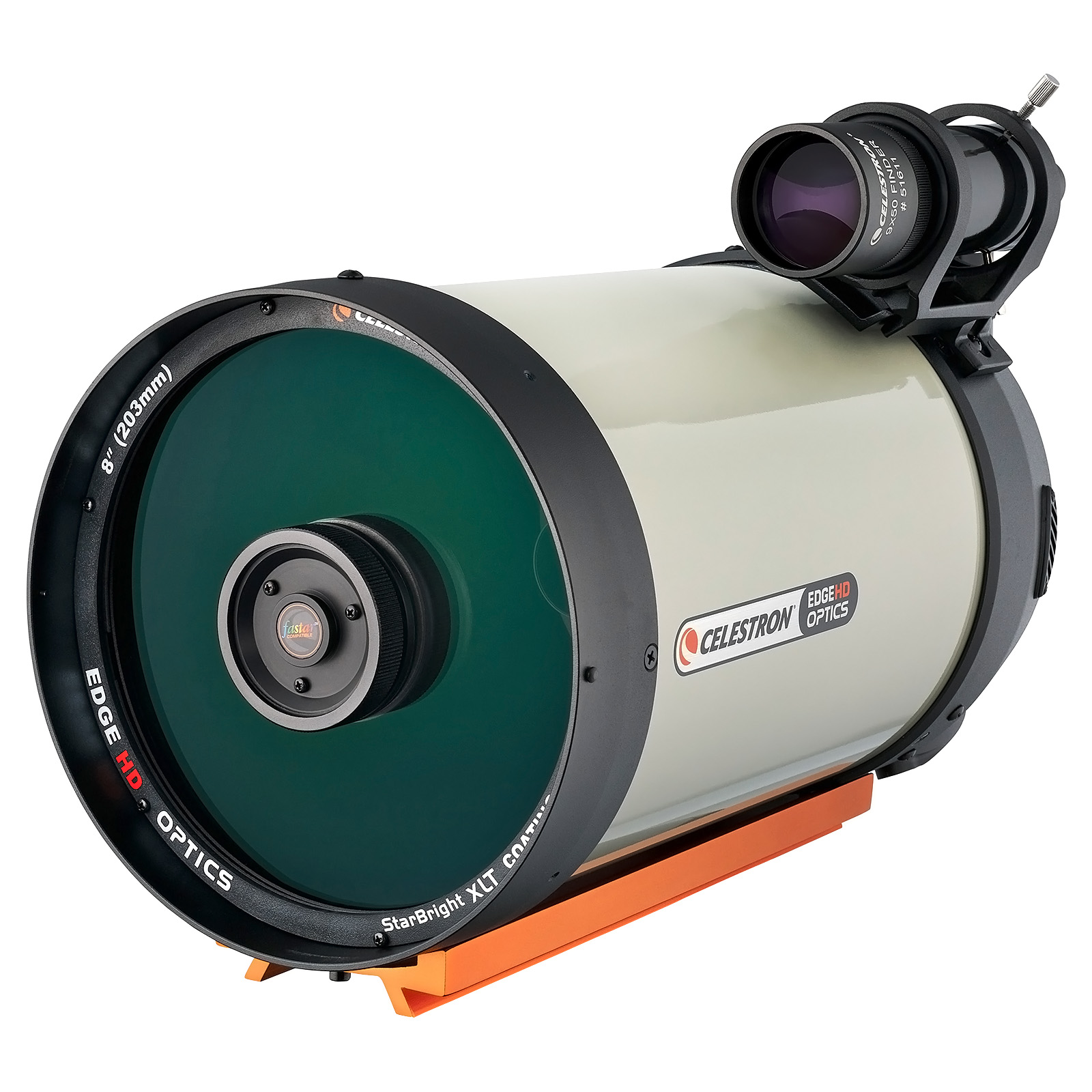
EdgeHD 8" + CGX
Celestron
235mm · GoTo Schmidt-Cassegrain vs 203mm · GoTo Schmidt-Cassegrain
Full comparison →
EdgeHD 9.25"
Celestron
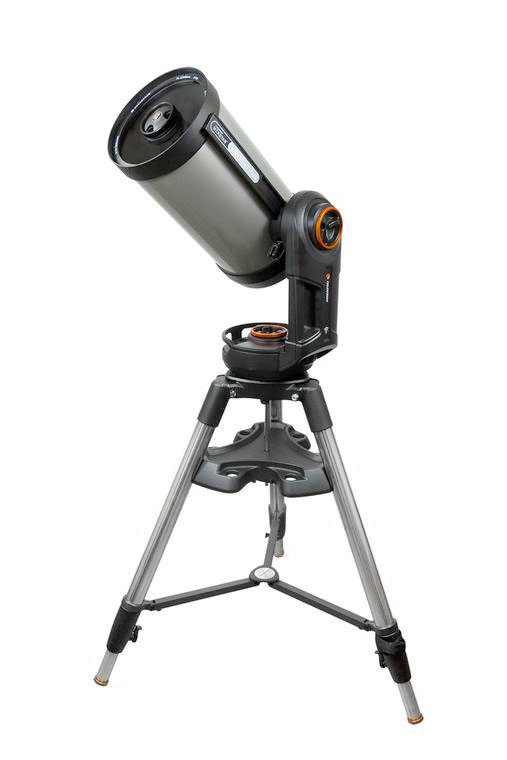
NexStar Evolution 9.25
Celestron
235mm · GoTo Schmidt-Cassegrain vs 235mm · GoTo Schmidt-Cassegrain
Full comparison →
EdgeHD 9.25"
Celestron
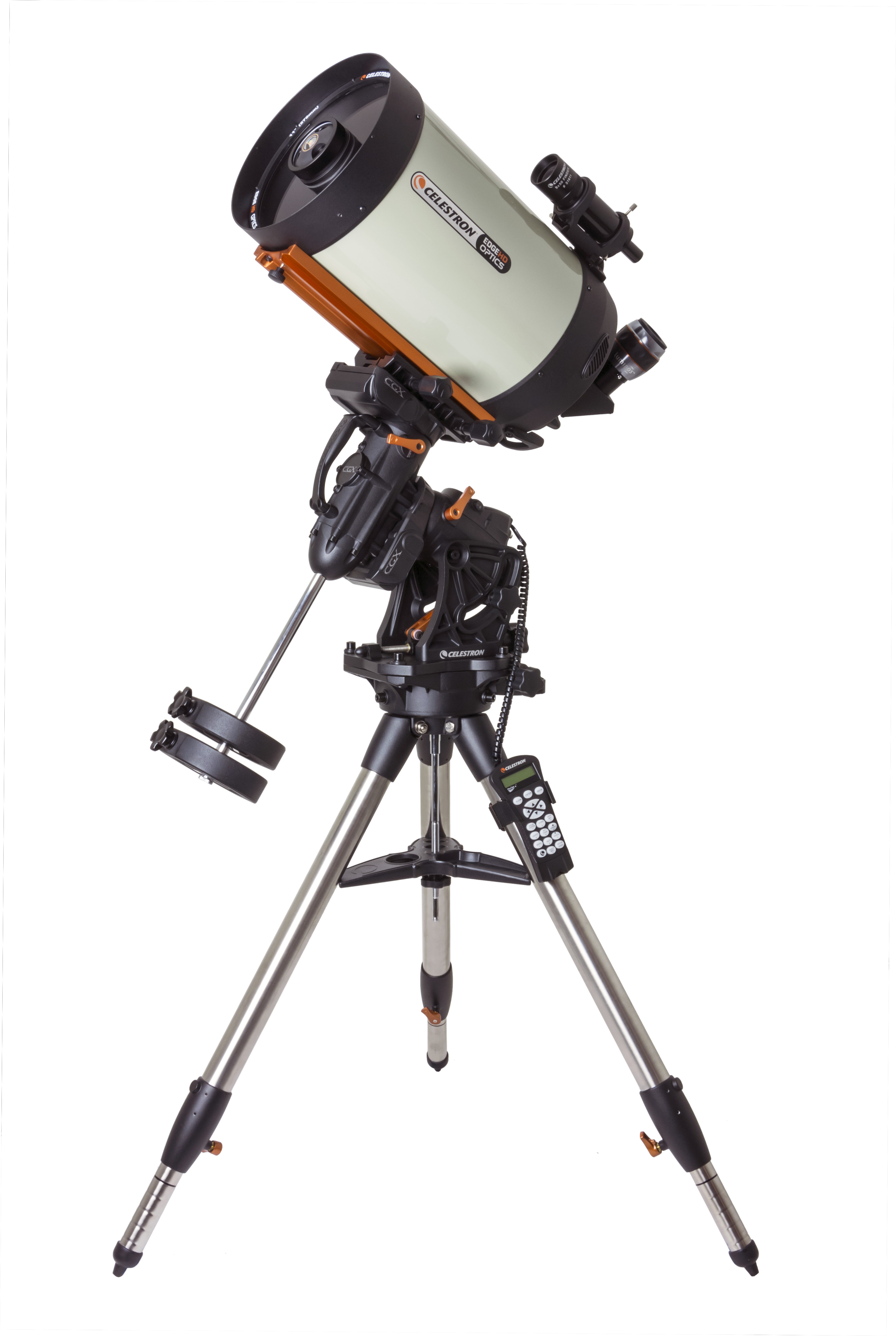
EdgeHD 11"
Celestron
235mm · GoTo Schmidt-Cassegrain vs 279mm · GoTo Schmidt-Cassegrain
Full comparison →
EdgeHD 9.25"
Celestron
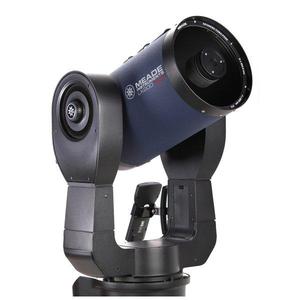
Meade LX200 8"
Meade Instruments
235mm · GoTo Schmidt-Cassegrain vs 203mm · GoTo Schmidt-Cassegrain
Full comparison →
Frequently asked
Questions from owners
Sourced from Cloudy Nights discussions.
- How critical is back-focus distance for imaging, and will my camera work without an external focuser?
- EdgeHD requires precise back-focus spacing (within a few millimeters) for proper field correction across large sensors, unlike the Meade ACF which is less sensitive to this. The primary focuser works well for autofocus with proper technique, but many users add external focusers for additional flexibility and to allow a fully rigid imaging train attachment.
- Will the EdgeHD give me a flat, well-corrected field edge-to-edge for full-frame imaging?
- The EdgeHD is corrected to a 42mm image circle and delivers consistent sharpness across that field, but shows vignetting (40-50% light fall-off) at the very edge on full-frame sensors. For APS-C sensors it performs excellently; for full-frame work you'll need to either accept vignetting or use the Celestron EdgeHD focal reducer, which is expensive but maintains the back-focus distance.
- How does the EdgeHD compare optically to the Meade ACF?
- Both are excellent scopes with very good optics. The EdgeHD has a slight edge in contrast and field flatness due to correction for both coma and field curvature, while the ACF corrects only coma but is less sensitive to back-focus errors.
- Are there any issues with the corrector plate or internal baffles?
- One user reported corrector lenses falling out of an 11-inch EdgeHD, which raised concerns about internal design. Members also note that the baffle tube is positioned very close to the visual back threads, requiring precise component spacing for optimal correction.
- Can I use generic focal reducers, or do I need the Celestron EdgeHD reducer?
- A generic focal reducer will work but introduces aberrations specific to the EdgeHD design that may not be optimally corrected. The Celestron EdgeHD focal reducer is specifically designed for the scope's aberrations but is expensive; however, it preserves back-focus distance and image circle unlike generic reducers.
- How does this scope compare for visual observation of planets and deep-sky objects?
- Members report excellent contrast, sharpness, and a vibrant 'pop' to views through the EdgeHD, with a very flat field that benefits visual observers. The nearly flat field is praised as being comparable to high-end binoculars; for planets specifically, the smaller secondary mirror gives a slight brightness advantage over the ACF.
Full Specifications
Optics
| Aperture | 235mm |
| Focal Length | 2350mm |
| Focal Ratio | f/10 |
| Optical Design | Schmidt-Cassegrain |
| Coatings | StarBright XLT fully multi-coated, EdgeHD flat-field corrector |
Mount & Tracking
| Mount Type | GoTo (Computerised) |
| GoTo (Computerised) | Yes |
| Tracking | Yes |
| Tracking Motor | Dual axis (CGX or CGX-L equatorial GoTo mount) |
Focuser
| Focuser Size | 2" |
| Focuser Type | SCT rear-cell focuser (2" visual back included) |
Physical
| OTA Weight | 7.7kg |
| Total Weight (with mount) | 35kg |
| Tube Length | 508mm |
| Tube Material | Aluminium |
Included Accessories
| Eyepieces | 25mm Plössl |
| Finder Scope | StarPointer red dot finder |
| Diagonal | No |