Compound Telescopes
Long focal length folded into a short tube. Compounds pack the light path of a 2-metre telescope into something that fits in a camera bag.
29
telescopes in our database
90–279 mm
aperture range
How a compound telescope works
A corrector plate at the front feeds light to a primary mirror, which bounces it back to a secondary, then through a hole in the primary to the eyepiece. Long focal length folded into a short tube.
Is a compound right for you?
Every type has its ideal buyer. Here is how to know if this is yours.
Great if…
- ✓You want serious planetary detail. Focal lengths of 1250–3000mm give high magnification with stable, bright images. Compounds are the go-to choice for planetary and lunar observers who want to push the magnification.
- ✓Portability matters as much as aperture. A 200mm SCT has a tube less than 50cm long. The equivalent aperture in a Newtonian would be over a metre. You get serious aperture in a manageable package.
- ✓You are thinking about planetary imaging. Long focal ratios suit planetary webcam and camera work. The SCT also accepts a focal reducer for wider-field deep-sky imaging — one scope, two use cases.
Not ideal if…
- ✗Budget is a primary concern. A good 200mm SCT starts at £500 and rises steeply. For pure visual deep-sky work, a Dobsonian gives more aperture for less money.
- ✗You want immediate wide-field deep-sky views. Long focal ratios mean narrow fields of view. Large objects like the Pleiades or the Andromeda Galaxy will not fit in the eyepiece. A fast reflector or refractor serves better here.
Our top compound picks
Editorially selected — the scopes we'd recommend to most buyers.
Celestron
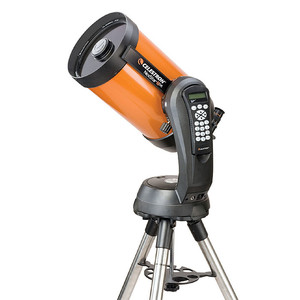
Celestron NexStar 8SE
The NexStar 8SE is one of the most enduring products in amateur astronomy, and for good reason. An 8-inch Schmidt-Cassegrain gives you serious aperture in a tube barely 43cm long. The SCT design is versatile: with the native f/10 focal length it excels at planetary detail; add a focal reducer and it transforms into a usable wide-field instrument. The single-arm GoTo mount isn't the most stable platform for heavy accessories, but for visual and electronic-assisted astronomy (EAA) it performs well enough. The SkyAlign system is one of the fastest GoTo alignment routines available — you can be on a target in under 5 minutes from unpacking. At this price, the main limitation is the single-arm alt-az geometry, which introduces image rotation for long-exposure photography. If imaging is the goal, a proper equatorial mount is the better long-term choice. But for visual observing and EAA — where you're stacking live frames on screen rather than taking long exposures — the 8SE is an excellent instrument.
View telescope →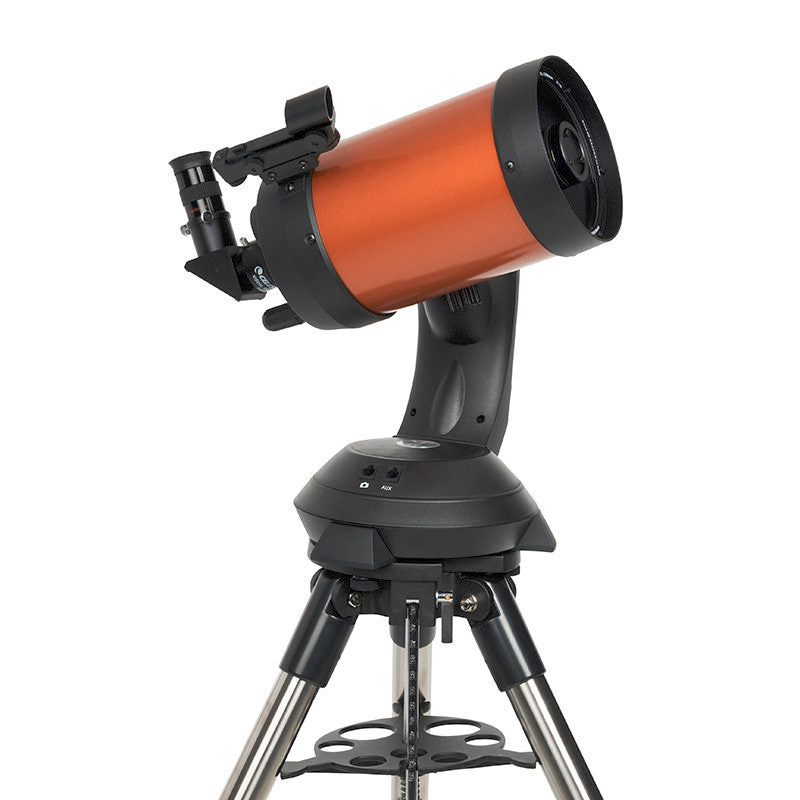
Celestron
Celestron NexStar 5SE
The NexStar 5SE is the most compact member of Celestron's SE GoTo family — a 125mm Schmidt-Cassegrain in a tube barely 33cm long. At f/10 and 1250mm focal length it gives excellent planetary views in a very portable package. The single-arm GoTo mount aligns via SkyAlign in under five minutes and can then locate over 40,000 objects. A good choice if you want a capable SCT in a package that fits in a large backpack and runs off 8 AA batteries.
View telescope →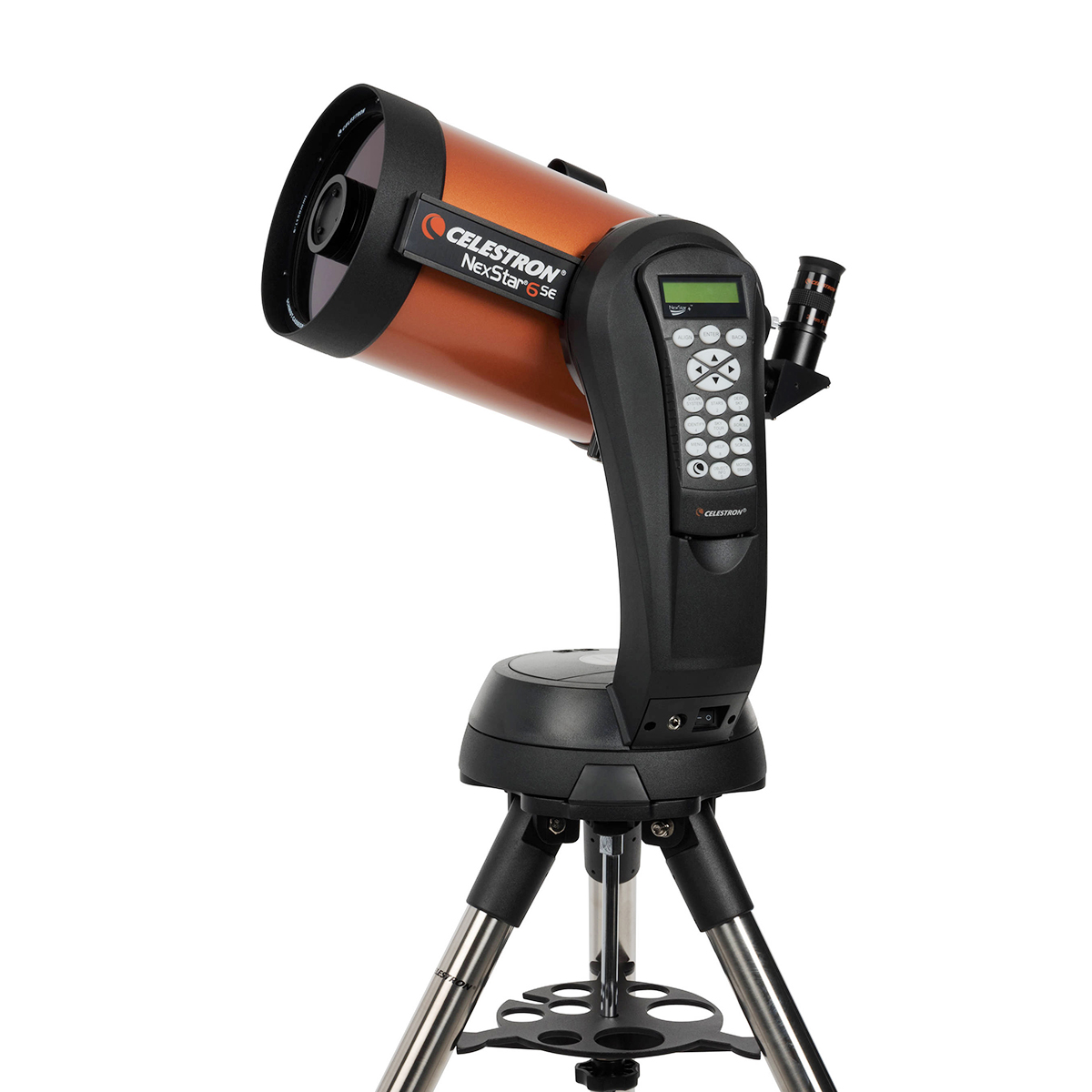
Celestron
Celestron NexStar 6SE
The NexStar 6SE steps up from the 5SE to 150mm — a noticeable aperture increase that shows in planetary detail and deep-sky performance. At f/10 and 1500mm focal length it excels at planets and the Moon while also handling brighter deep-sky objects well. The GoTo mount aligns quickly and tracks reliably. Sitting between the budget SE models and the 8SE, it's the sweet spot for someone who wants meaningful aperture without committing to an 8-inch instrument.
View telescope →Meade Instruments
Meade ETX90 Observer
The Meade ETX90 is a classic compact Maksutov-Cassegrain GoTo scope that has been in production in various forms for decades. At 90mm and f/13.9 (1250mm focal length) it is an excellent lunar and planetary scope with the GoTo AudioStar controller handling target finding. The compact tube — barely 30cm long — makes it highly portable. The ETX line was once the definitive beginner GoTo telescope; while the competition has intensified, the ETX90 Observer remains a capable and well-understood instrument.
View telescope →
Celestron
Celestron NexStar 4SE
The NexStar 4SE packs a lot of optical path into a surprisingly compact package. The Maksutov-Cassegrain design — which folds the light path back on itself — gives you a 1,325mm focal length in a tube barely 330mm long. That long focal length means excellent planetary magnification; on a steady night, Saturn's rings, Jupiter's cloud bands, and the craters of the Moon look genuinely spectacular. The single-arm GoTo mount (powered by 8 AA batteries) can align itself and then locate over 40,000 objects automatically. For beginners who struggle to star-hop, this is genuinely transformative. The trade-off is aperture: at 102mm, it gathers less light than a 130mm Newtonian at the same price, so faint deep-sky objects are less impressive. This is fundamentally a planetary scope. But if planets and the Moon are what excite you — and they excite most new astronomers — the 4SE does them beautifully.
View telescope →Can't decide between the top two?
NexStar 5SE vs NexStar 8SE →What to look for when buying
Three specs that matter specifically for compounds — and what they mean in practice.
Focal length
How much magnification you can achieve.
Most SCTs run f/10, giving focal lengths of 1250–2000mm+. This is a lot — great for planets and the Moon, but challenging for large deep-sky objects. A focal reducer (sold separately) brings it down to f/6.3 for imaging.
Thermal equalisation
The cool-down time that surprises first-time owners.
A large glass corrector plate and enclosed tube trap warm air. Allow 30–60 minutes before the views settle. This is not unique to SCTs but more noticeable at large apertures. Budget for this in your observing routine.
SCT vs Maksutov
Two subtypes with different strengths.
SCTs (Schmidt-Cassegrain) are wider-field and more common in large apertures (6–14 inch). Maksutovs have a longer focal ratio, making them better for planets but slower for imaging. Maks are popular in smaller, portable sizes (90–127mm).
Compound: honest trade-offs
What they do well
Compact for the focal length
No other design puts a 2000mm+ focal length in a tube you can carry under one arm. The SCT is the most portable serious telescope available.
GoTo usually included
Most compound telescopes ship on motorised mounts. Align once, and the scope finds and tracks any of 40,000+ objects automatically.
Excellent planetary performance
High focal length, good aperture, and stable optics combine for some of the best planetary views available at a given price point.
Dual-purpose visual and imaging
With a focal reducer and a camera, the same scope that shows Saturn in sharp detail can also image wide-field nebulae. Versatile in a way that reflectors and refractors are not.
Honest limitations
Expensive per aperture
You pay for the compact design and GoTo mount. A 200mm SCT costs 2–3× more than a 200mm Dobsonian. The value case is portability and features, not raw aperture.
Narrow field of view
High focal ratios mean large objects will not fit in the eyepiece without a focal reducer. The Orion Nebula complex, the Double Cluster, the Pleiades — all need wide-field equipment.
Thermal equalisation required
Views are poor until the optics reach ambient temperature. Large SCTs can take an hour. Factor this into your observing sessions.
All compound telescopes in our database
29 telescopes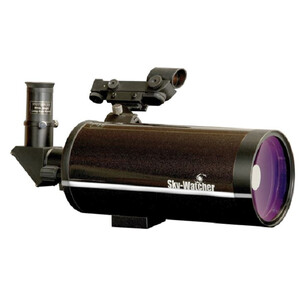
Sky-Watcher
Sky-Watcher Skymax 90
A compact 90mm Maksutov-Cassegrain that delivers crisp, high-contrast planetary views in a near-zero-maintenance package.
Meade Instruments
Meade ETX90 Observer
The Meade ETX90 is a classic compact Maksutov-Cassegrain GoTo scope that has been in production in various forms for decades.
Sky-Watcher
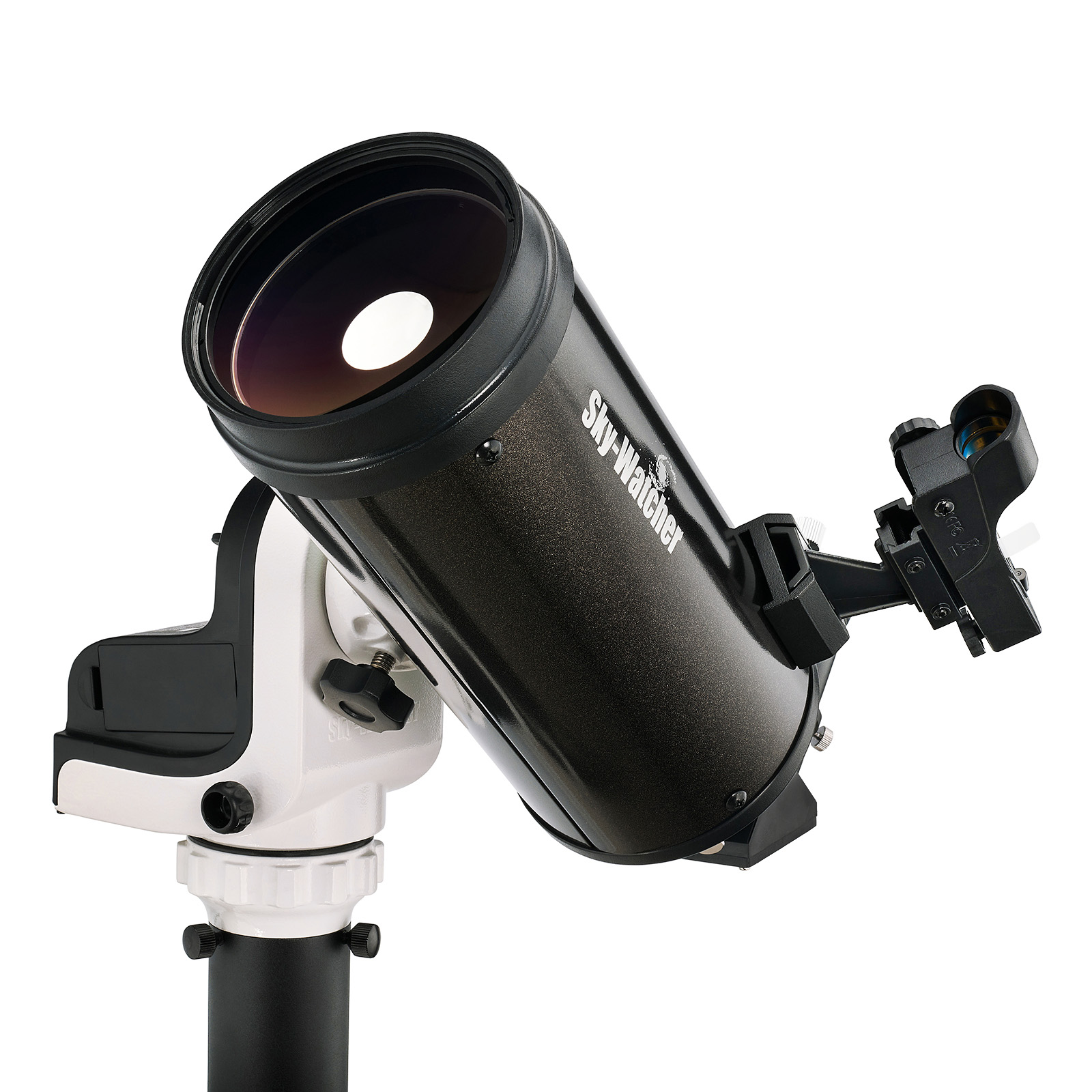
Sky-Watcher SkyMax 102 AZ-GTe
The SkyMax 102 pairs a 102mm Maksutov-Cassegrain tube with Sky-Watcher's AZ-GTe GoTo alt-az mount, controlled via the SynScan app — no hand controller required.
Sky-Watcher
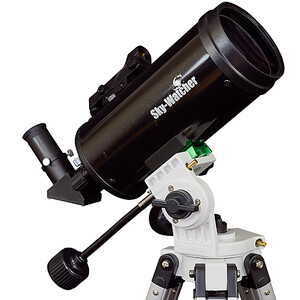
Sky-Watcher Skymax 102
The 102mm Maksutov is where the Mak-Cas format starts to show its real capabilities.
Celestron
Celestron NexStar 4SE
The NexStar 4SE packs a lot of optical path into a surprisingly compact package.
Vixen
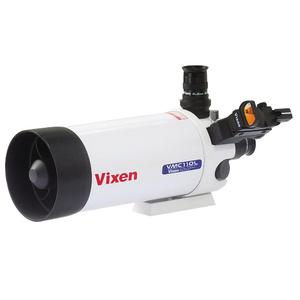
Vixen VMC110L
The VMC110L is Vixen's compact Cassegrain — a 110mm Visually-Corrected Maksutov-Cassegrain that weighs just 1.
Celestron
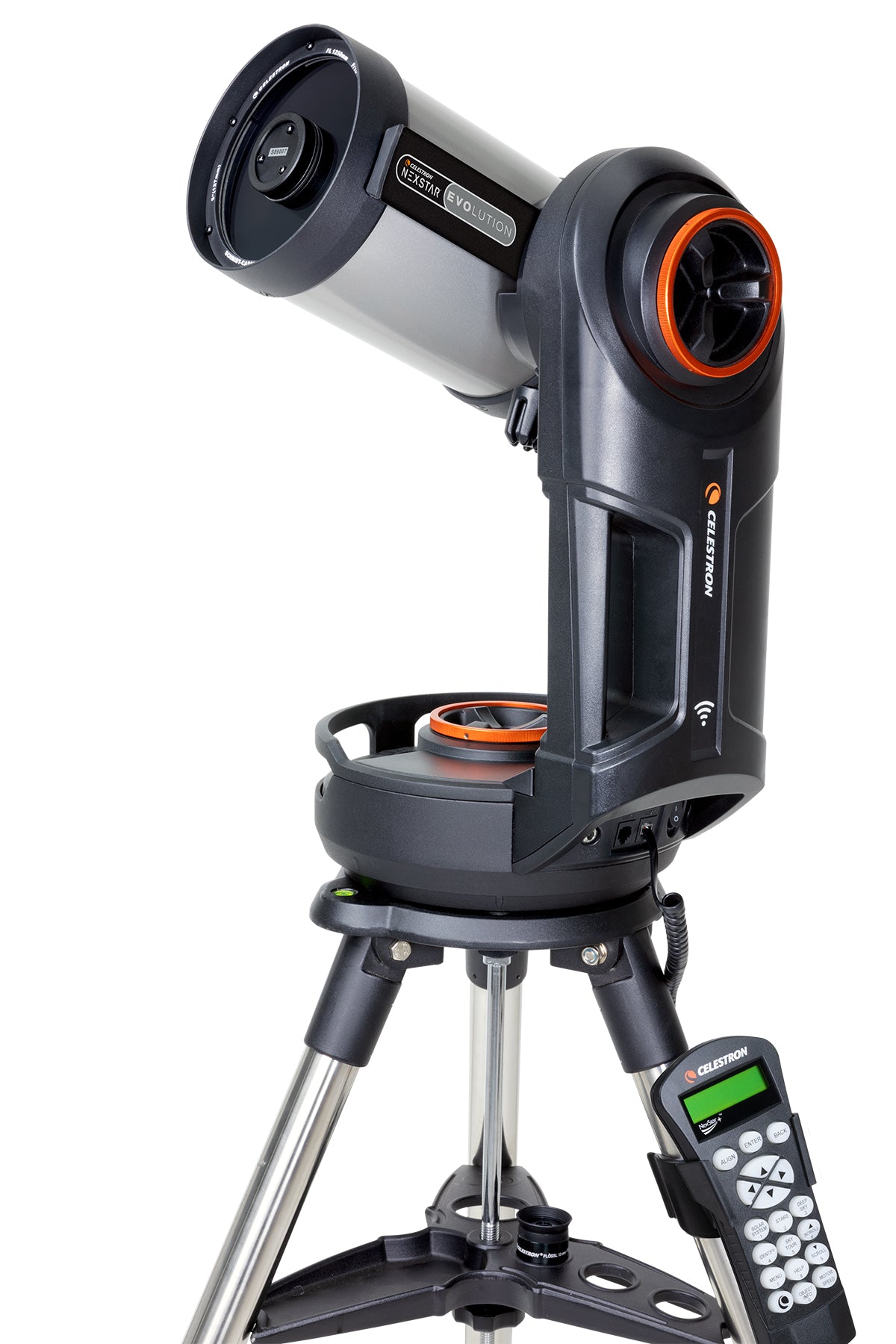
Celestron NexStar Evolution 5
The NexStar Evolution 5 is Celestron's five-inch SCT in the premium Evolution alt-az GoTo lineup — the version with built-in WiFi, a lithium-ion battery in the base, and full app control via Celestron's SkyPortal app.
Celestron
Celestron NexStar 5SE
The NexStar 5SE is the most compact member of Celestron's SE GoTo family — a 125mm Schmidt-Cassegrain in a tube barely 33cm long.
Sky-Watcher
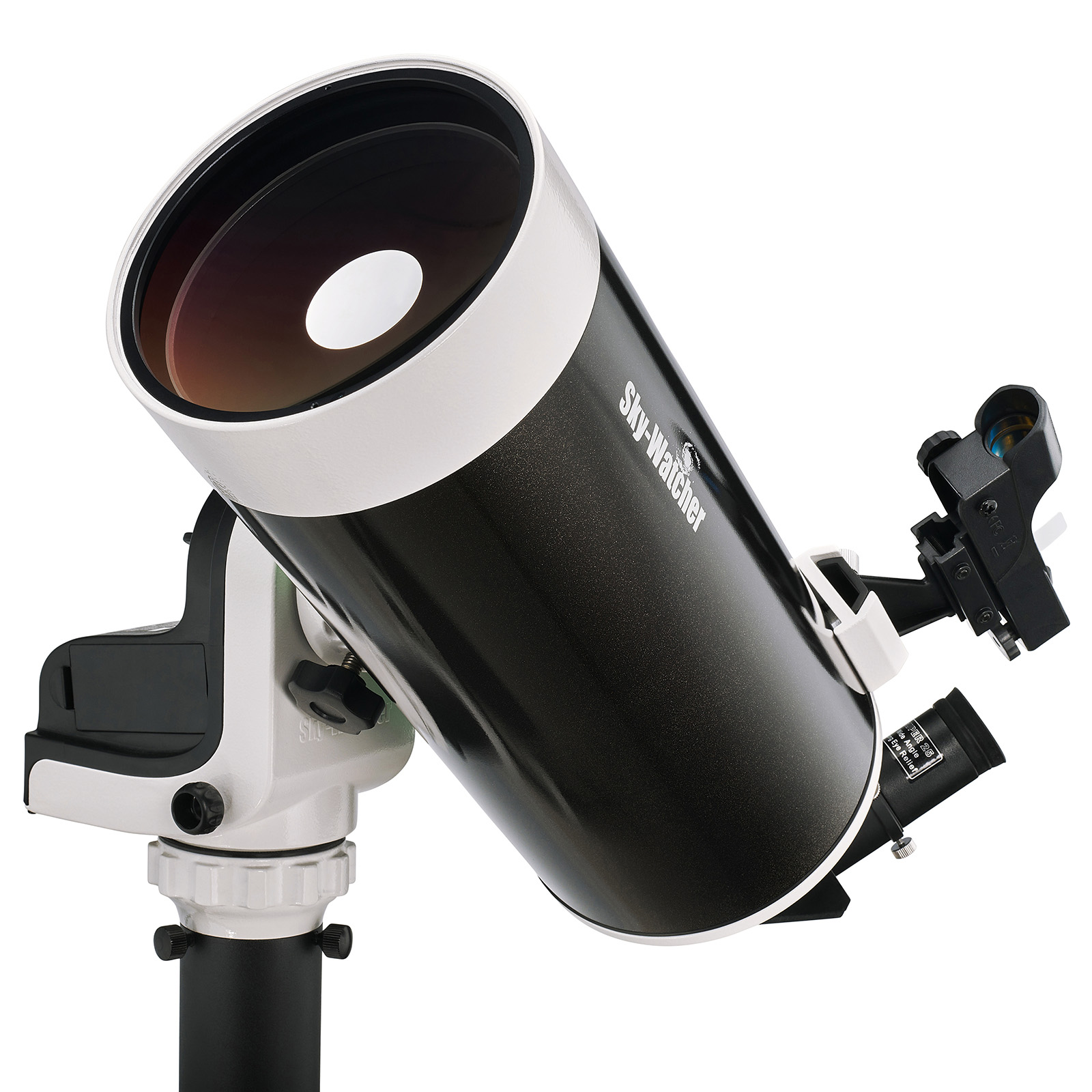
Sky-Watcher SkyMax 127 AZ-GTe
The SkyMax 127 steps up from the 102mm to a 127mm Maksutov-Cassegrain, gaining meaningful extra aperture and light grasp on the same AZ-GTe GoTo platform.
Celestron
Celestron NexStar 127SLT
Celestron's 127mm Maksutov on the NexStar SLT GoTo alt-azimuth mount.
Bresser
Bresser Messier MC-127/1900 GoTo
The Bresser Messier MC-127/1900 is a 127mm Maksutov-Cassegrain on a computerised GoTo alt-az/EQ mount.
Sky-Watcher
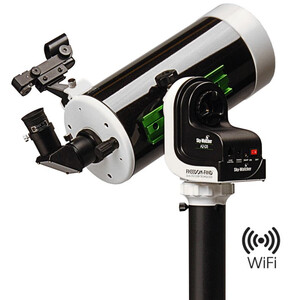
Sky-Watcher Skymax 127 SynScan GoTo
The 127mm Maksutov is the scope that planetary observers on a budget dream about.
Celestron
Celestron NexStar 6SE
The NexStar 6SE steps up from the 5SE to 150mm — a noticeable aperture increase that shows in planetary detail and deep-sky performance.
Sky-Watcher
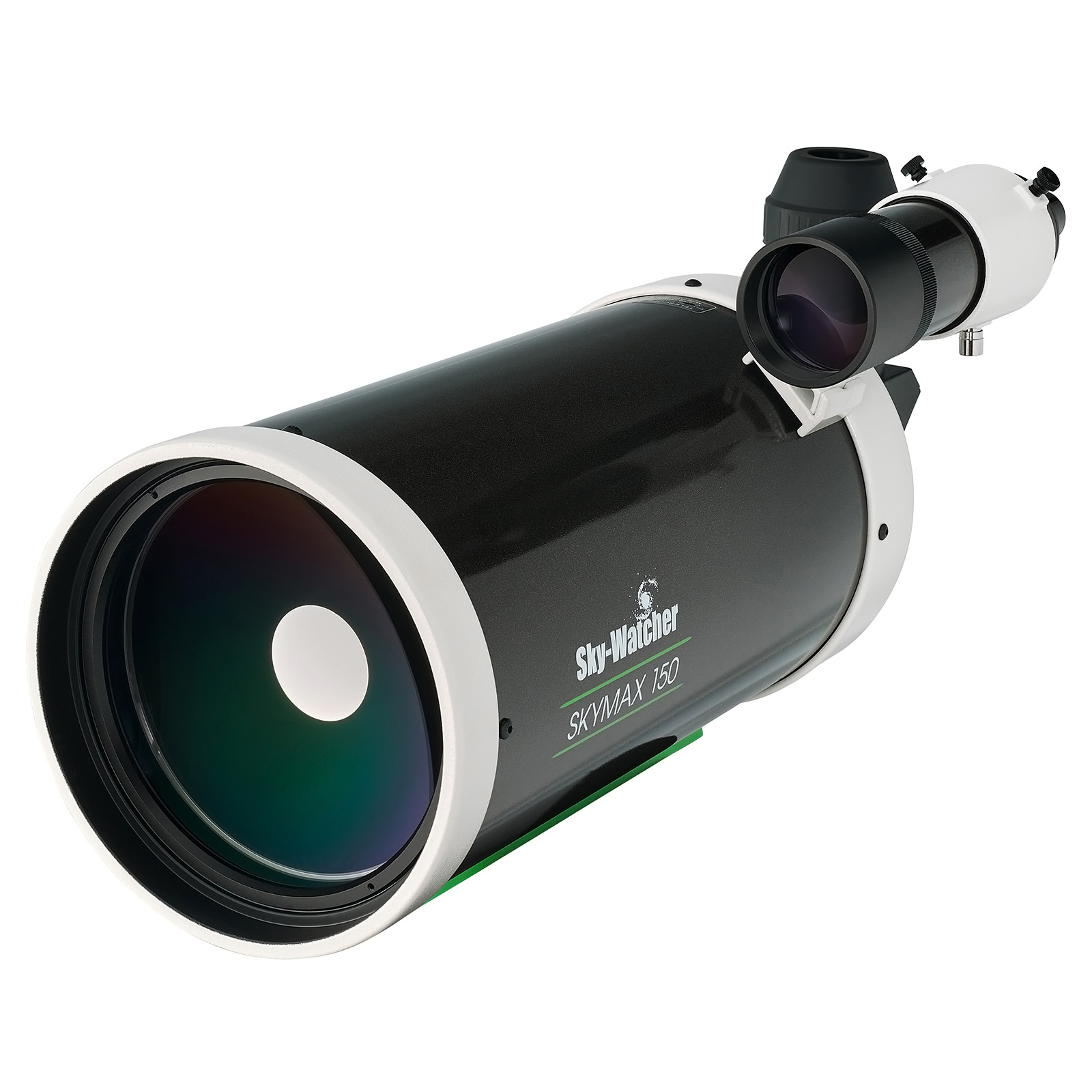
Sky-Watcher SkyMax 150 Pro + HEQ5
The SkyMax 150 Pro paired with the HEQ5 Pro equatorial GoTo mount is a serious planetary and double-star instrument.
Celestron
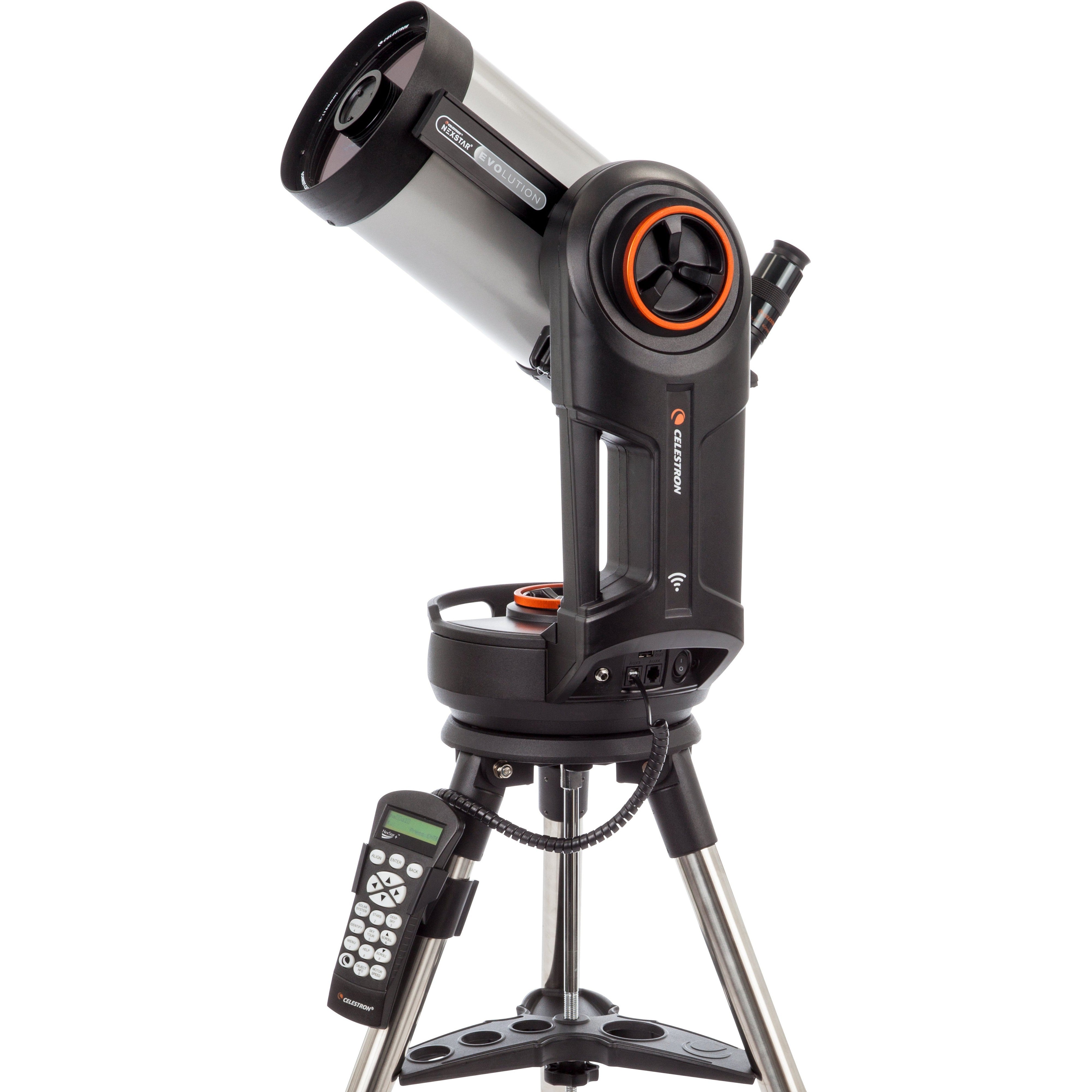
Celestron NexStar Evolution 6
The NexStar Evolution 6 is the modern, WiFi-enabled version of the 6SE — same 150mm SCT optics but on an updated mount with a built-in rechargeable lithium battery and wireless control via the Celestron app.
Meade Instruments
Meade LX65 6" Mak
The Meade LX65 6-inch Maksutov is a more capable step up from the ETX range — a 152mm Mak on the LX65 GoTo alt-az mount.
Sky-Watcher
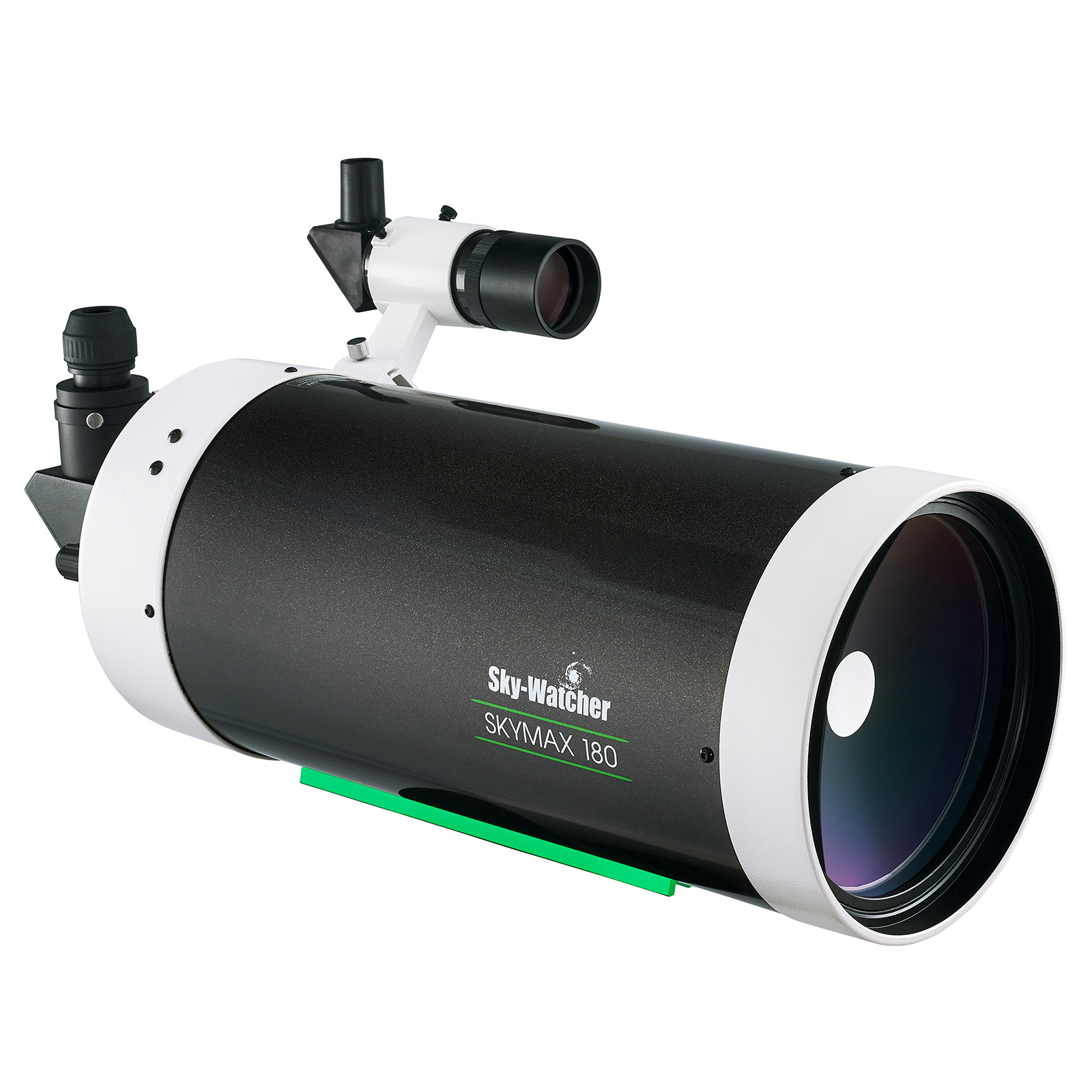
Sky-Watcher SkyMax 180 Pro
The SkyMax 180 is the largest Maksutov-Cassegrain in Sky-Watcher's range and one of the most capable production planetary scopes available.
Celestron
Celestron NexStar 8SE
The NexStar 8SE is one of the most enduring products in amateur astronomy, and for good reason.
Celestron
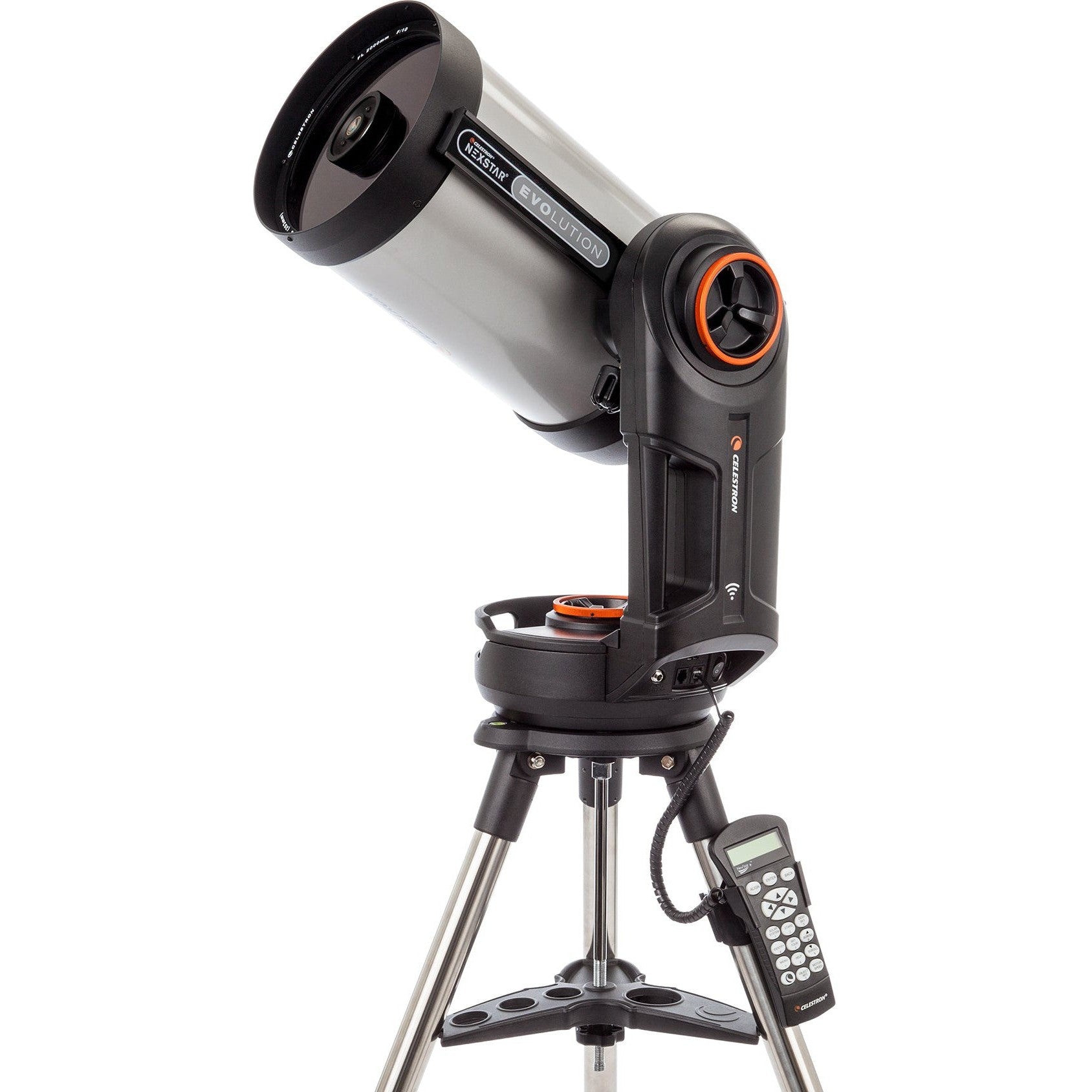
Celestron NexStar Evolution 8
The NexStar Evolution 8 is the WiFi-enabled version of the iconic 8SE, combining the same proven 203mm SCT optics with a modern mount featuring built-in rechargeable battery and Celestron app control.
Celestron
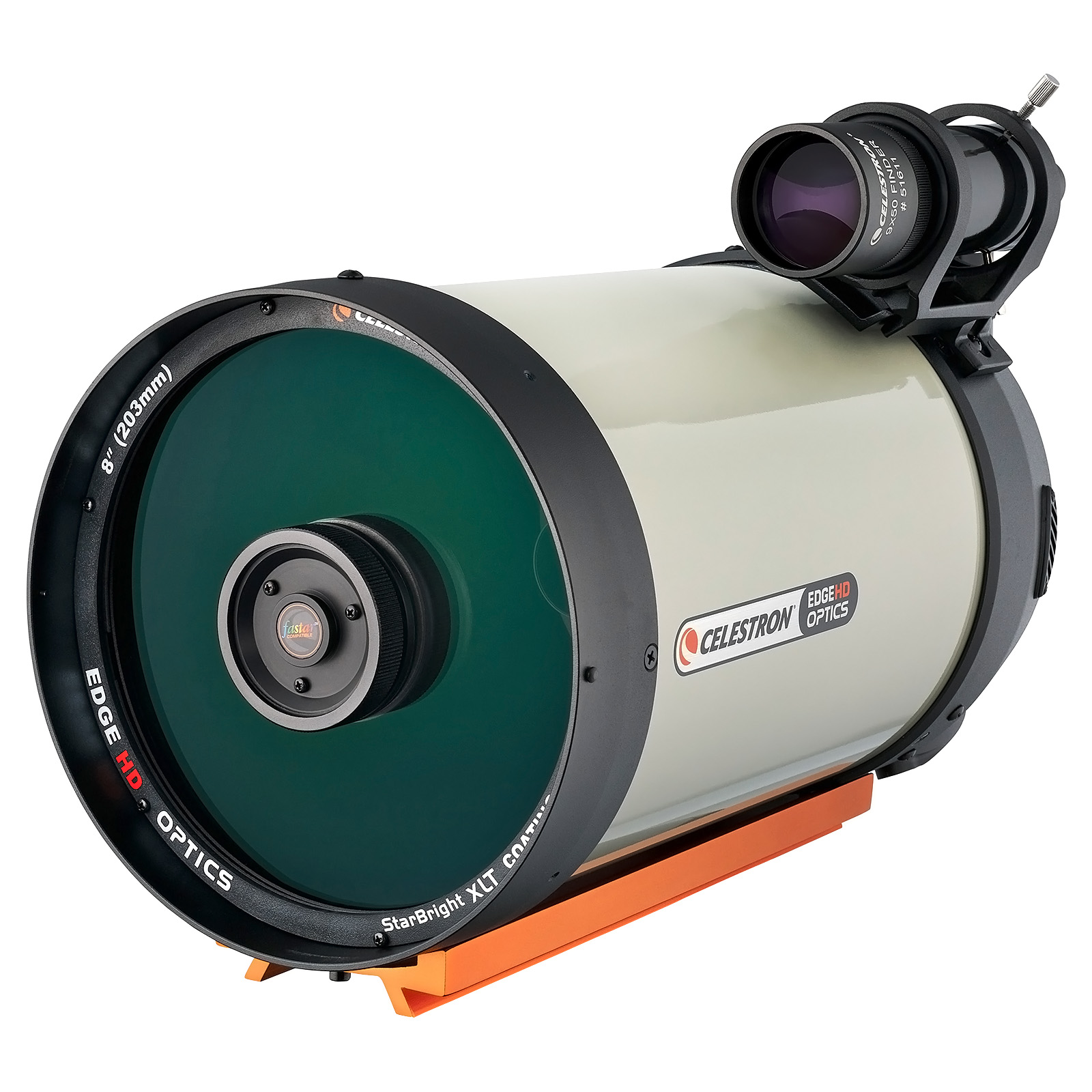
Celestron EdgeHD 8" + CGX
The EdgeHD 8 is Celestron's flat-field astrograph variant of the 8-inch SCT, designed to produce coma-free, flat images across full-frame sensors.
Celestron
Celestron RASA 8"
The RASA 8 (Rowe-Ackermann Schmidt Astrograph) is an f/2 imaging-only OTA that exists at the extreme end of wide-field astrophotography.
Celestron
Celestron CGEM II 8 SCT
The CGEM II is Celestron's mid-range computerised equatorial mount paired with their proven 8-inch SCT optical tube.
Celestron
Celestron Advanced VX 8 SCT
The Advanced VX mount paired with the 8-inch SCT OTA is arguably the most popular entry into serious astrophotography in the UK.
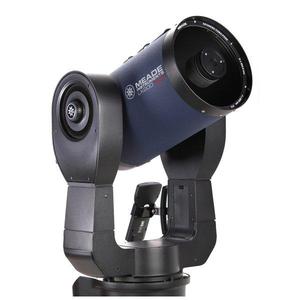
Meade Instruments
Meade LX200 8"
The Meade LX200 is one of the most storied telescopes in amateur astronomy — an 8-inch Schmidt-Cassegrain on a dual-fork equatorial arm mount with a long history of serious visual and research use.
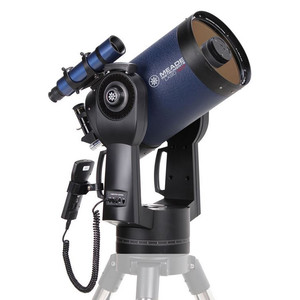
Meade Instruments
Meade LX90 8" ACF
The LX90 is Meade's mid-range GoTo telescope — an 8-inch ACF (Advanced Coma-Free) Schmidt-Cassegrain on a heavy-duty motorised fork mount.
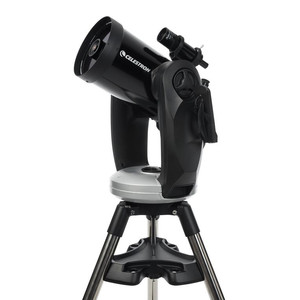
Celestron
Celestron CPC 800
The CPC 800 is Celestron's serious consumer GoTo Schmidt-Cassegrain — an 8-inch SCT on a GPS-aligned fork-arm alt-azimuth GoTo mount.
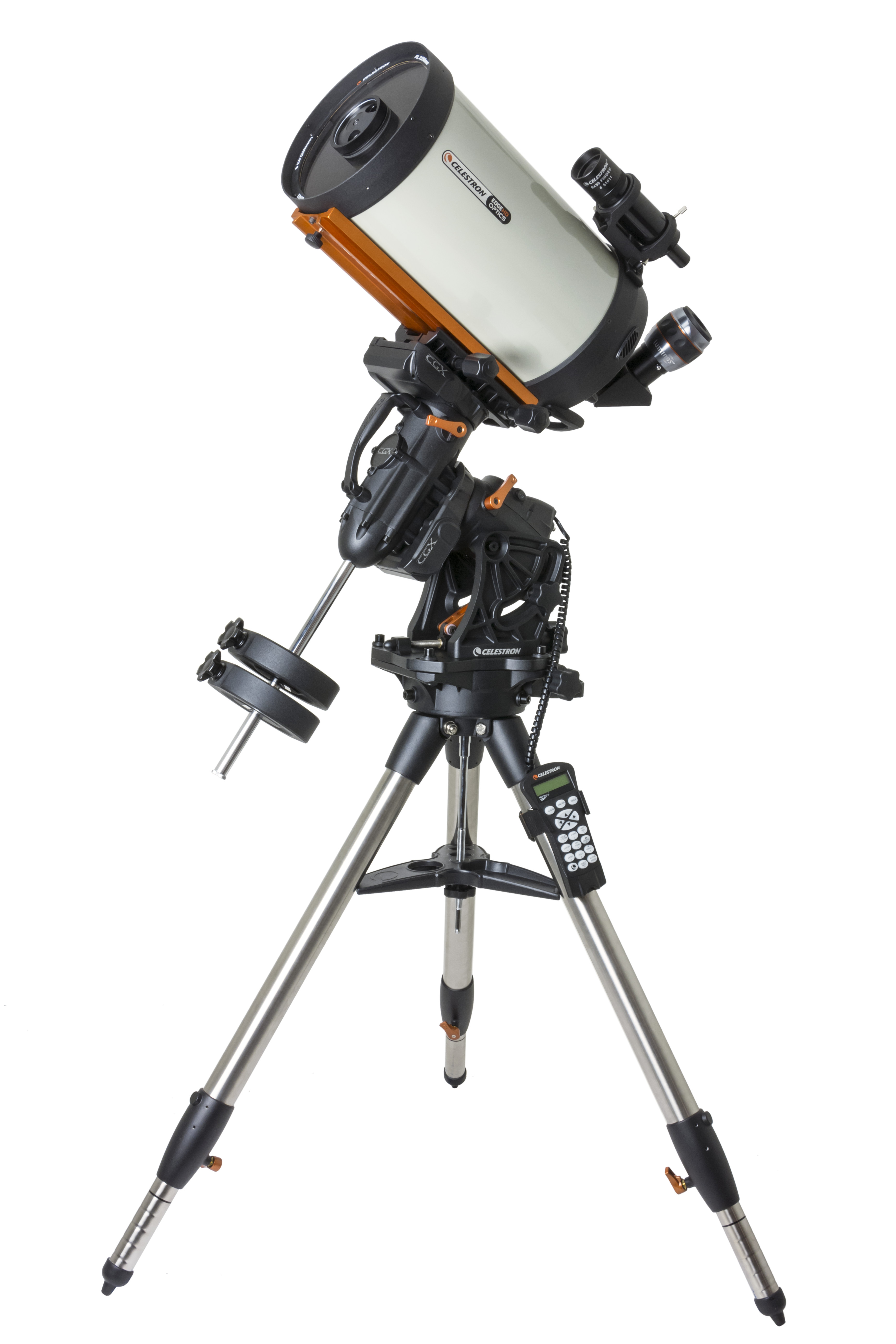
Celestron
Celestron EdgeHD 9.25"
The EdgeHD 9.
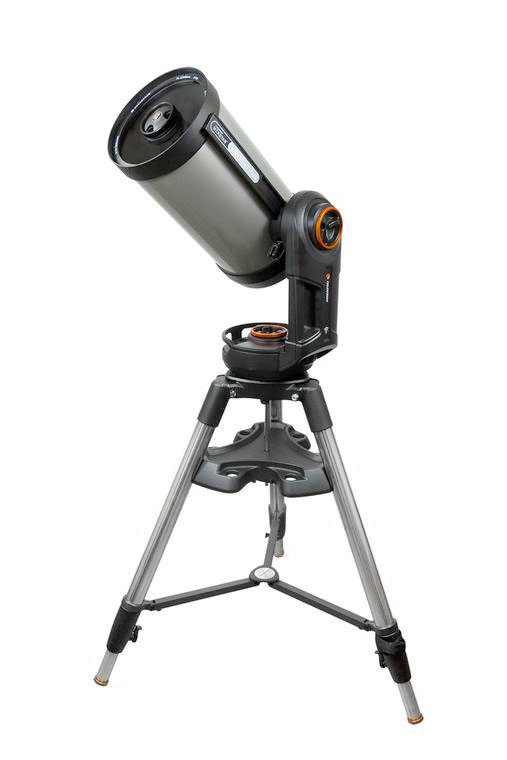
Celestron
Celestron NexStar Evolution 9.25
The NexStar Evolution 9.
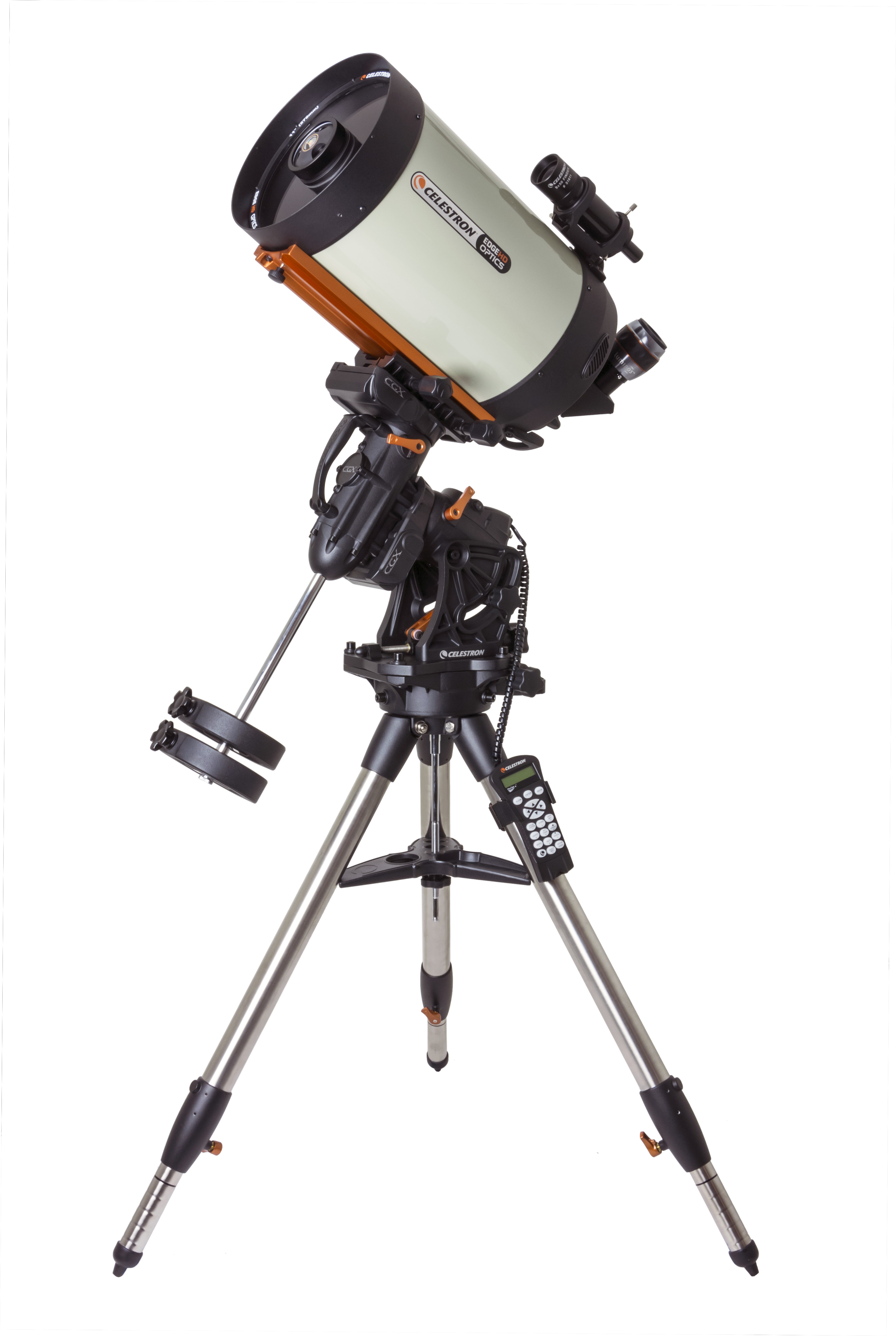
Celestron
Celestron EdgeHD 11"
The EdgeHD 11 is Celestron's largest practical SCT and represents a significant investment in both aperture and infrastructure.