Refractor Telescopes
The sharp, maintenance-free option. Lenses instead of mirrors — sealed tubes that stay in alignment and deliver crisp, high-contrast views from the first night.
39
telescopes in our database
40–151 mm
aperture range
How a refractor works
An objective lens at the front refracts incoming light to a focal point at the rear. No mirrors — the light travels straight through the tube to the eyepiece.
Is a refractor right for you?
Every type has its ideal buyer. Here is how to know if this is yours.
Great if…
- ✓Planets and the Moon are your main targets. High contrast and pin-sharp optics suit bright, detailed objects. Refractors consistently deliver the best lunar and planetary views per pound at smaller apertures.
- ✓You want zero maintenance. The optics are sealed inside the tube. No mirrors to collimate, no cool-down wait, no dust on the primary. Take it out, point it up.
- ✓Astrophotography interests you. A quality apochromatic (APO) refractor is the workhorse of widefield imaging. Short focal lengths cover large sky areas; premium glass keeps stars pinpoint to the edges.
Not ideal if…
- ✗Deep-sky objects are your priority. Aperture costs money in a refractor. A 200mm reflector costs a fraction of a 200mm refractor. For galaxies and nebulae, light gathering matters most.
- ✗You are on a tight budget. Entry-level refractors under £100 often suffer from strong chromatic aberration. A £100 reflector will outperform a £100 refractor for almost everything.
Our top refractor picks
Editorially selected — the scopes we'd recommend to most buyers.
Celestron
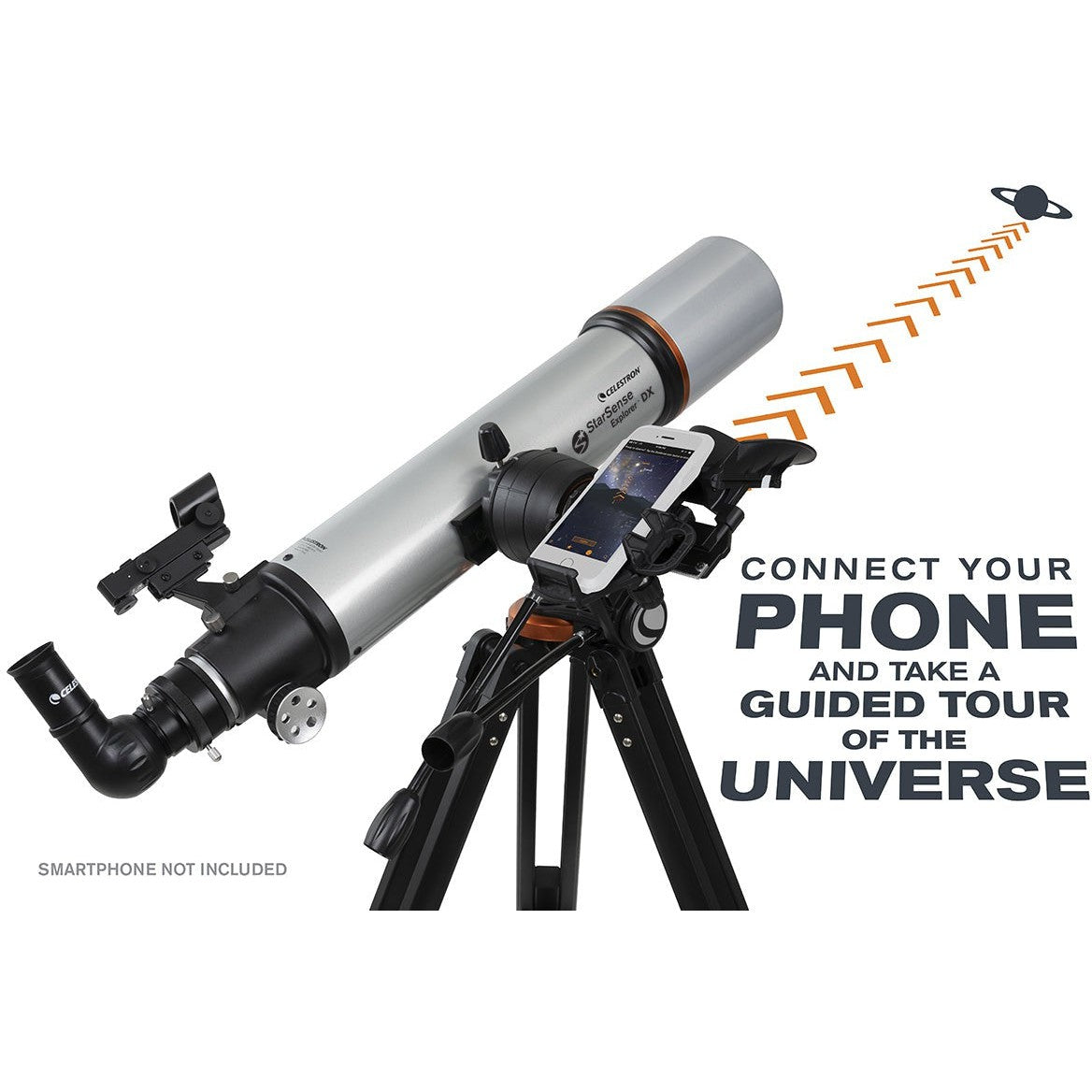
Celestron StarSense Explorer DX 102AZ
The StarSense Explorer DX 102AZ brings Celestron's phone-dock navigation system to a 102mm achromatic refractor. The app uses your smartphone camera to recognise star patterns and tells you which direction to nudge the tube manually — no motors, no alignment procedure, just follow the arrow. At 102mm and f/6.5 it gives good views of the Moon, planets, and brighter deep-sky objects. A refractor's maintenance-free optics — no collimation required — make it a reliable first scope.
View telescope →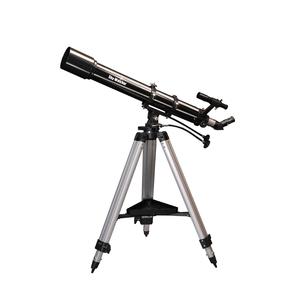
Sky-Watcher
Sky-Watcher EvoStar 90 EQ2
A 90mm achromatic refractor at f/10 — the classic entry-level refractor configuration that has served beginner astronomers well for decades. The long focal ratio makes chromatic aberration (the coloured fringing seen on bright objects) almost imperceptible at normal magnifications, and the EQ2 equatorial mount teaches you real sky mechanics without being overly complex. Lunar views are crisp and high-contrast, and at high magnification the Moon's craters and mountain ranges become genuinely absorbing. Saturn's rings are visible at 50×, and by 100× this scope delivers the views that make new astronomers gasp. Solid, honest, and predictable.
View telescope →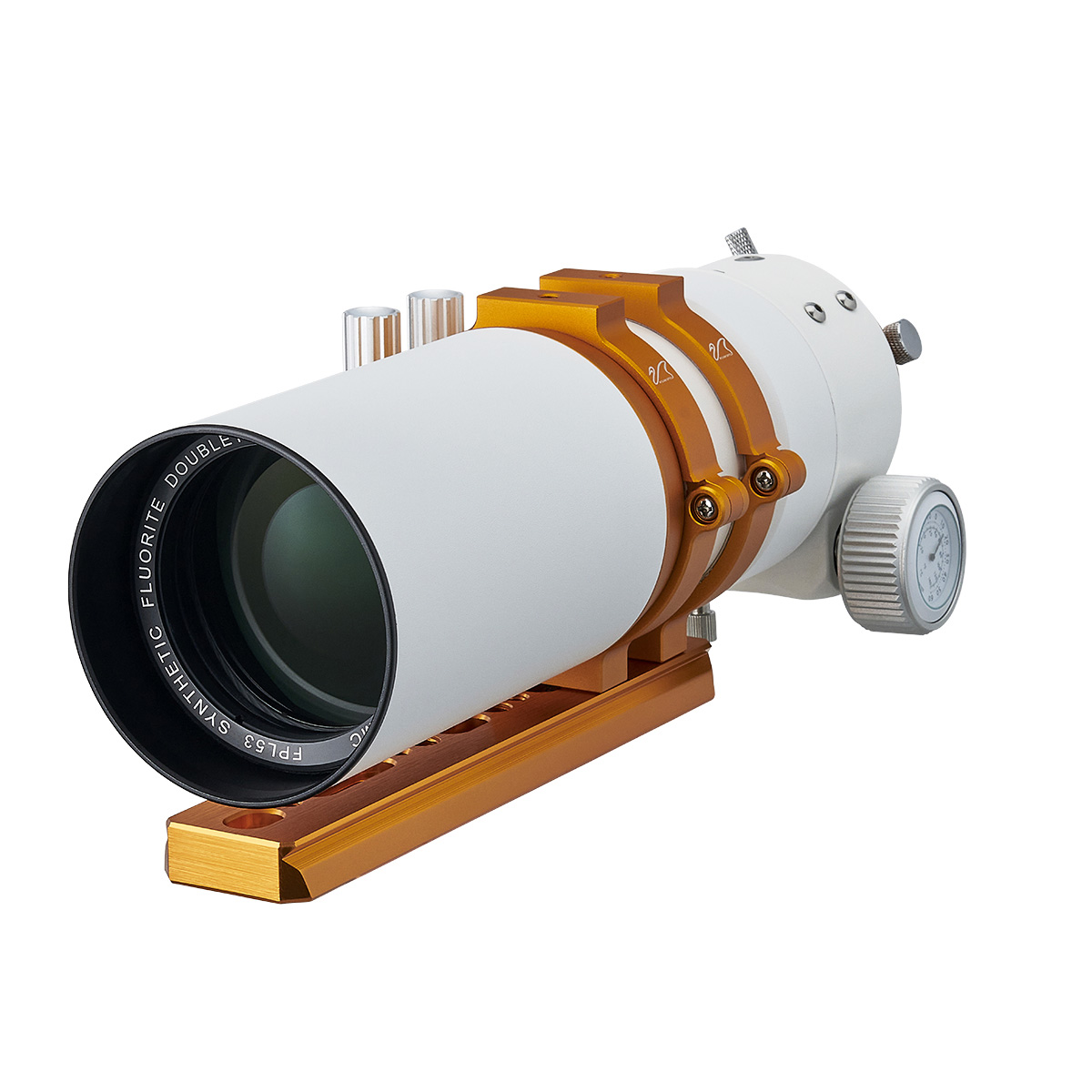
William Optics
William Optics Zenithstar 73
The Zenithstar 73 is the step up from William Optics' popular Zenithstar 61, offering 73mm of ED doublet aperture in the same well-made compact package. The additional 12mm of aperture and slightly longer focal length (430mm at f/5.9) give it more versatility for imaging — better performance on fainter targets while retaining the wide field character of the ZS61. WO's characteristic build quality — tight tolerances, deep anodising, silky focuser — is present throughout. Tube rings and dovetail are included.
View telescope →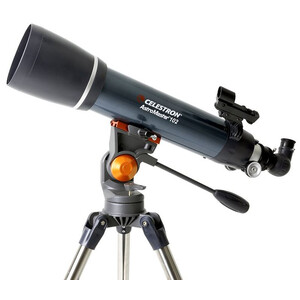
Celestron
Celestron AstroMaster 102AZ
A 102mm refractor on a simple alt-az mount — the AstroMaster 102AZ is an approachable entry point for people drawn to refractors rather than reflectors. At f/6.5 the chromatic aberration is moderate and unobtrusive at typical magnifications, and the upright alt-az mount requires no alignment and no theory. Point it at what you want to look at and look at it. Lunar detail is pleasing, planet views are honest rather than spectacular, and the scope doubles as a terrestrial spotter when the sky is not cooperating. For families, gift buyers, and total beginners who want to start without complexity, this is a dependable choice.
View telescope →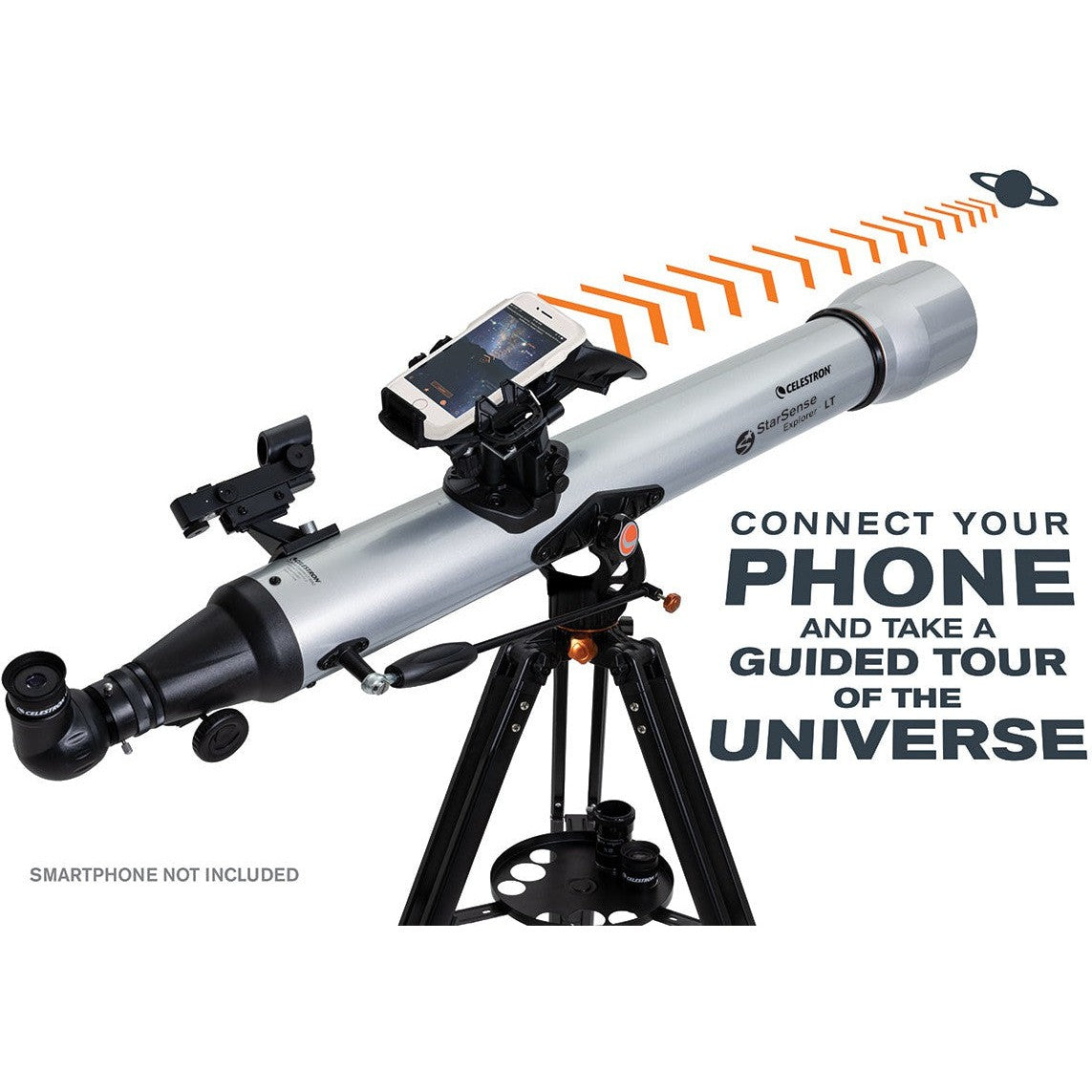
Celestron
Celestron StarSense Explorer LT 80AZ
The StarSense Explorer LT 80AZ is the most affordable entry point to Celestron's phone-dock navigation system. At 80mm and f/11.25 it gives good lunar views and shows Saturn's rings and Jupiter's moons clearly. The StarSense dock removes the biggest frustration for new astronomers — not knowing where to point — by using your phone's camera to show you where to nudge. A practical gift or first telescope for someone who wants to start with a real navigation aid.
View telescope →Can't decide between the top two?
StarSense 102 vs EvoStar 90 →What to look for when buying
Three specs that matter specifically for refractors — and what they mean in practice.
Chromatic aberration
Colour fringing — the main optical flaw to watch for.
Cheap refractors show a purple halo around bright objects (stars, the Moon, Jupiter). An achromatic doublet reduces this; an apochromatic (APO) triplet virtually eliminates it. If budget is under £300, expect some CA on cheaper achromats.
Aperture
The diameter of the objective lens, in mm.
60–80mm suits the Moon, planets, and double stars. 100–120mm adds decent deep-sky capability. Beyond 120mm refractors become expensive quickly — this is where reflectors and compounds win on value.
Focal ratio
Focal length ÷ aperture.
Long focal ratios (f/9–f/12) give sharp planetary views and are forgiving on cheap eyepieces. Short focal ratios (f/5–f/7) suit astrophotography and deliver wider fields — but need quality eyepieces to avoid edge distortion.
Refractor: honest trade-offs
What they do well
Zero maintenance
Sealed optics need no collimation and no cool-down time. The most hassle-free telescope type you can own.
High contrast on bright objects
No central obstruction from a secondary mirror. This gives refractors an edge on the Moon, planets, and double stars — especially compared to reflectors of similar aperture.
Compact and grab-and-go
A 70–100mm refractor packs into a bag and sets up in two minutes. The natural choice for balcony observing or travelling to dark sites.
Excellent for widefield imaging
APO refractors at f/5–f/7 are the imaging community's tool of choice for large nebulae and galaxy fields. The combination of flat field and low chromatic aberration is hard to beat.
Honest limitations
Aperture is expensive
A quality 120mm APO costs £800+. A 120mm reflector costs £150. If aperture is the priority, a refractor is the wrong choice.
Chromatic aberration in budget models
Entry-level achromats produce visible colour fringing on bright targets. It is manageable but noticeable — particularly on the Moon and Jupiter.
Long tubes at large apertures
A 100mm f/9 refractor has a 900mm tube. At 120mm f/8, that is nearly a metre. Mounting and storing large refractors requires more thought than a compact compound.
All refractor telescopes in our database
39 telescopes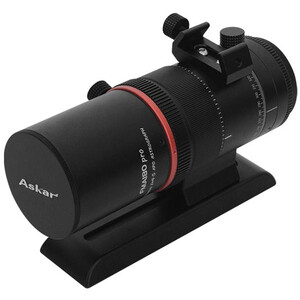
Askar
Askar FMA180 Pro
The FMA180 Pro is an ultra-compact ED triplet astrograph with a 40mm aperture and 180mm focal length (f/4.
William Optics
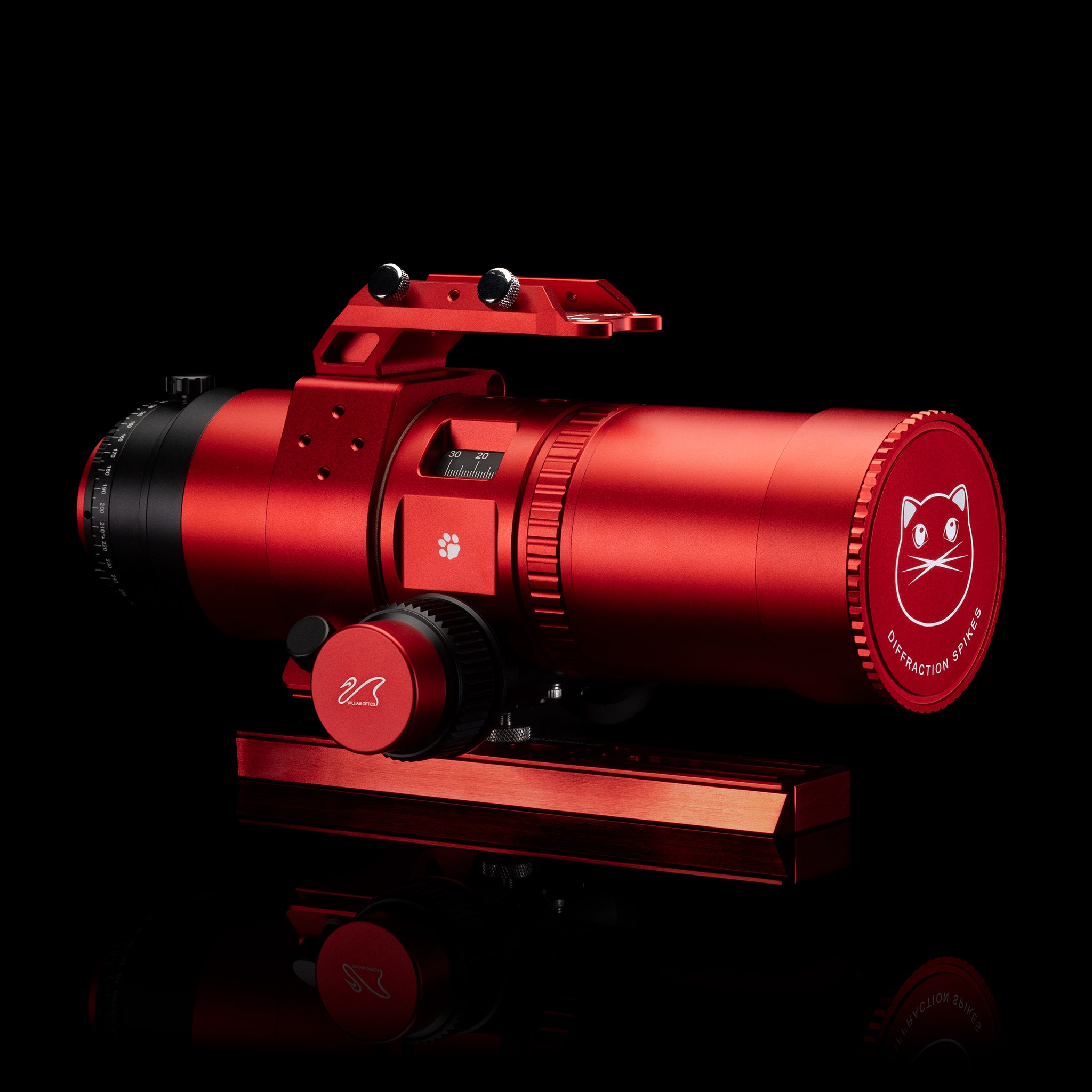
William Optics RedCat 51
The RedCat 51 is a Petzval-design four-element refractor — a different optical formula from the ED doublets and triplets in the WO range.
William Optics
William Optics SpaceCat 51
The SpaceCat 51 is a 51mm f/4.
Bresser
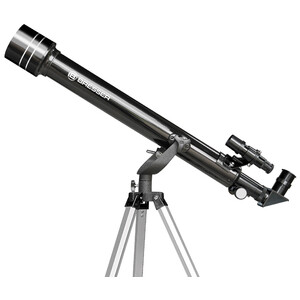
Bresser Arcturus 60/700
The Bresser Arcturus 60/700 is a budget entry-level refractor aimed at absolute beginners and gift buyers.
Takahashi
Takahashi FS-60CB
The Takahashi FS-60CB is a 60mm f/5.
William Optics
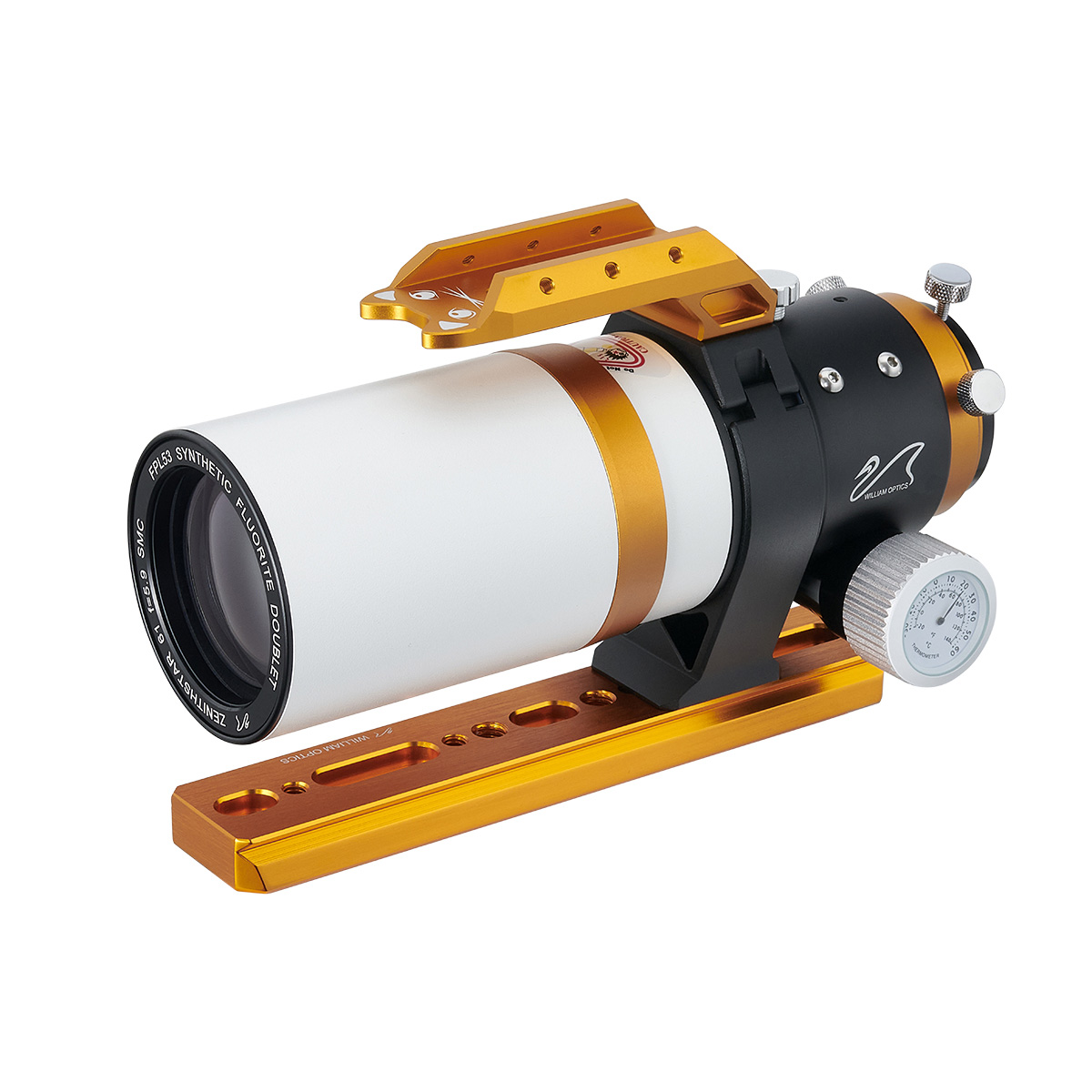
William Optics Zenithstar 61
The Zenithstar 61 is a beautifully made compact apochromatic refractor that has become one of the most popular imaging OTAs in its class.
Celestron
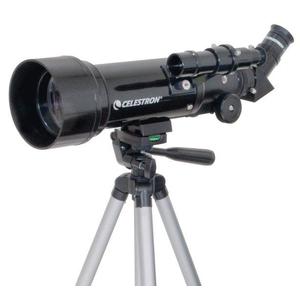
Celestron Travel Scope 70
The Travel Scope 70 is one of the most purchased and most returned beginner telescopes on Amazon.
Celestron
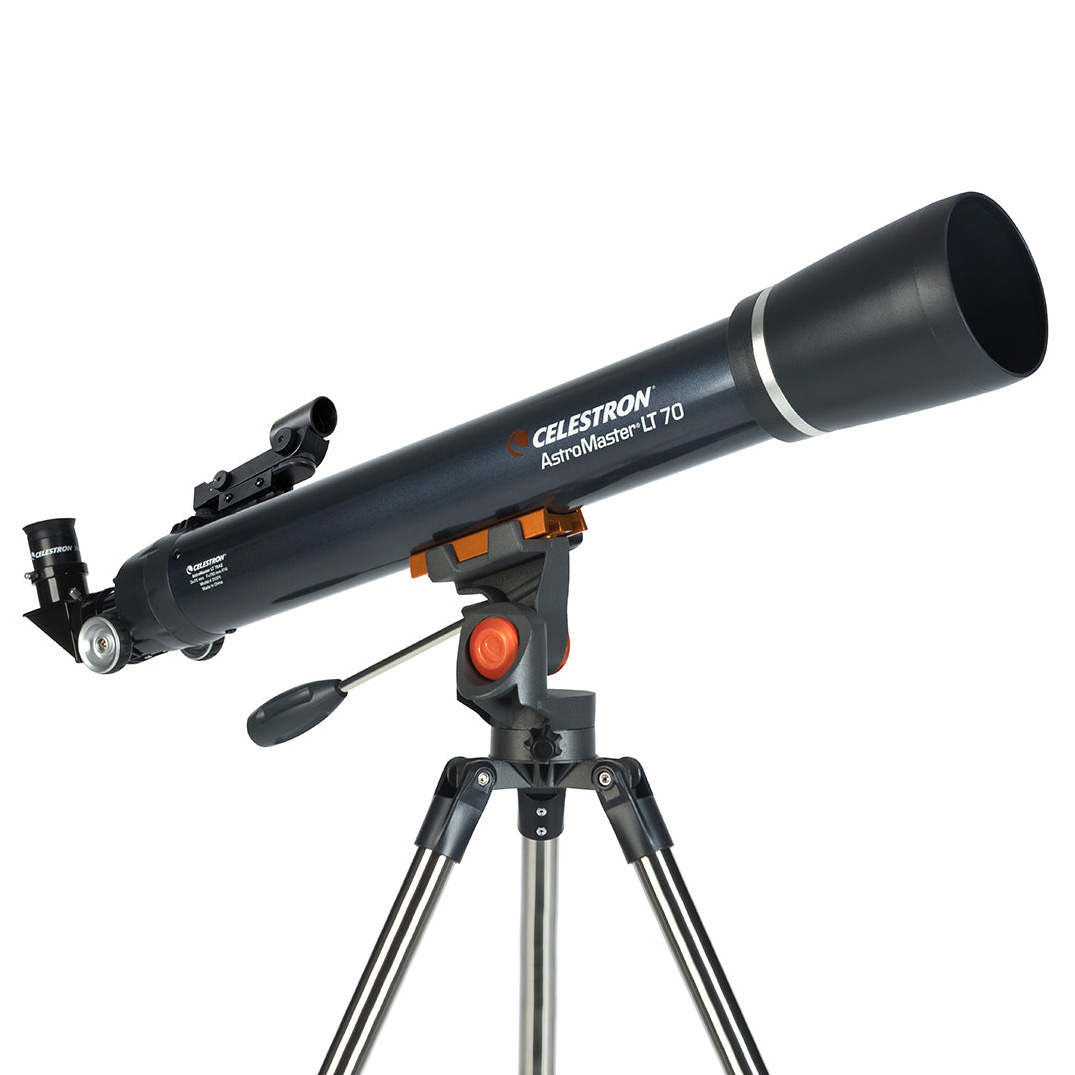
Celestron AstroMaster 70AZ
The AstroMaster 70AZ is Celestron's entry-level refractor on a simple alt-az mount — the most accessible telescope in their range.
Sky-Watcher
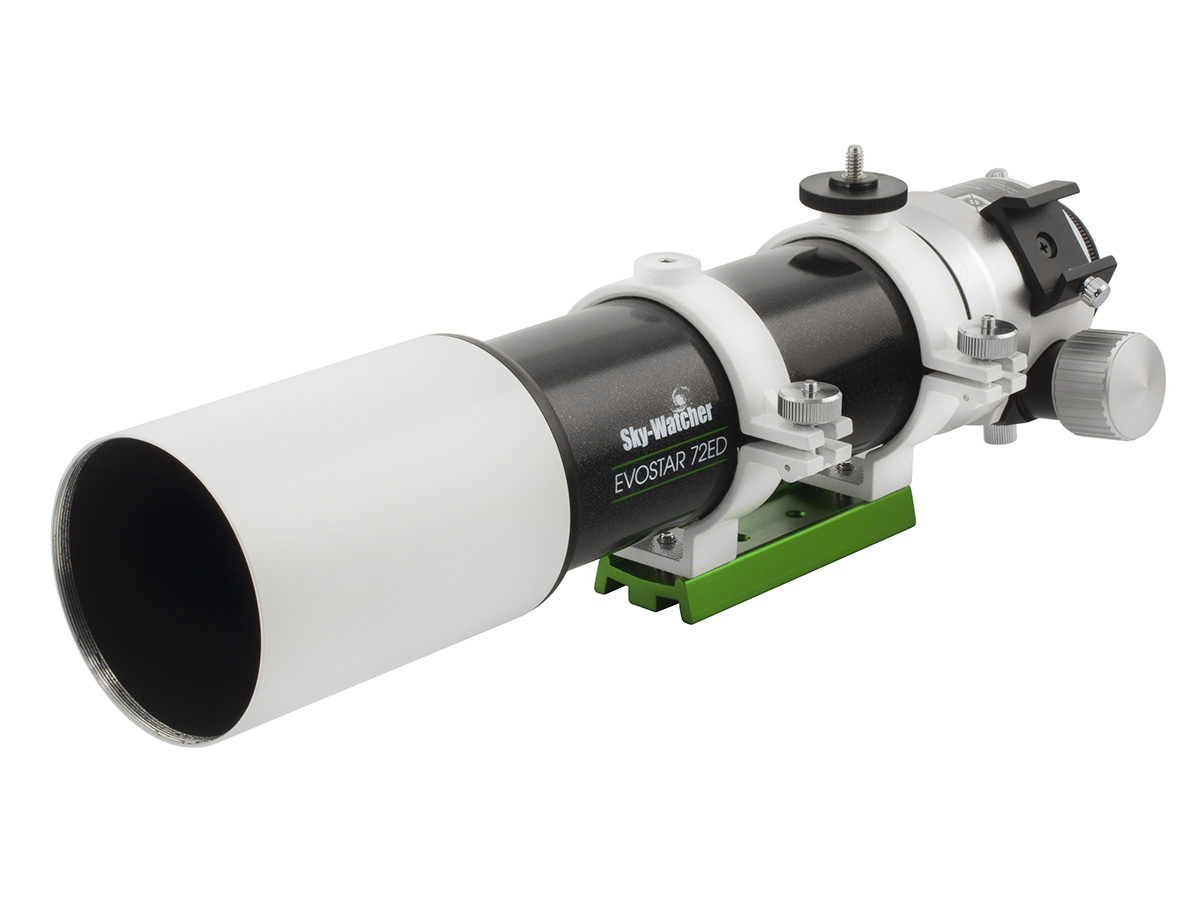
Sky-Watcher Evostar 72ED
The Evostar 72ED is Sky-Watcher's compact entry-level ED doublet refractor.
William Optics
William Optics Zenithstar 73
The Zenithstar 73 is the step up from William Optics' popular Zenithstar 61, offering 73mm of ED doublet aperture in the same well-made compact package.
Askar
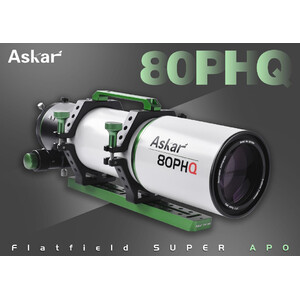
Askar 80PHQ
The Askar 80PHQ is a four-element (quadruplet) apochromatic refractor that includes a built-in field flattener in the optical design — no separate flattener required.
Explore Scientific
Explore Scientific ED80 Essential
The ED80 Essential is Explore Scientific's entry into the compact APO refractor market — an 80mm f/6 ED doublet that offers a genuine step up from achromatic refractors without the steep price of full triplet APOs.
Vixen
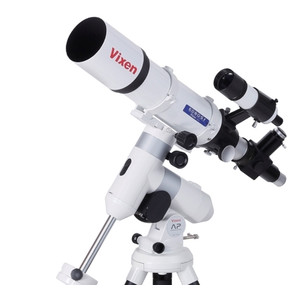
Vixen ED80Sf
The Vixen ED80Sf is a well-regarded 80mm ED doublet refractor with a 600mm focal length (f/7.
Sky-Watcher
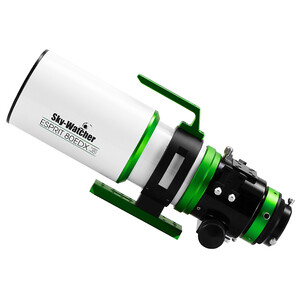
Sky-Watcher Esprit 80ED
The Esprit 80ED is Sky-Watcher's entry to their premium apochromatic triplet range.
Celestron
Celestron StarSense Explorer LT 80AZ
The StarSense Explorer LT 80AZ is the most affordable entry point to Celestron's phone-dock navigation system.
Vixen
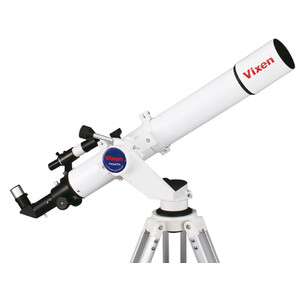
Vixen A80Mf
The Vixen A80Mf is a classic 80mm achromatic refractor on the Porta II alt-az mount — Vixen's answer to the beginner refractor question, built to Japanese standards of fit and finish.
Sky-Watcher
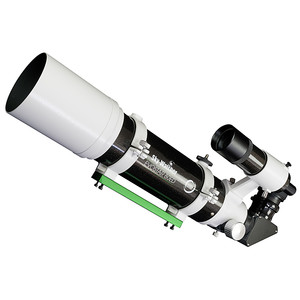
Sky-Watcher Evostar 80ED + HEQ5 Pro
This bundle pairs Sky-Watcher's well-regarded Evostar 80ED apochromatic refractor with the HEQ5 Pro — arguably the most popular astrophotography mount under £1,000.
William Optics
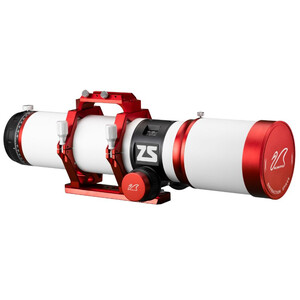
William Optics Zenithstar 81
The ZS81 is William Optics' most popular refractor — an 81mm f/6.
Vixen
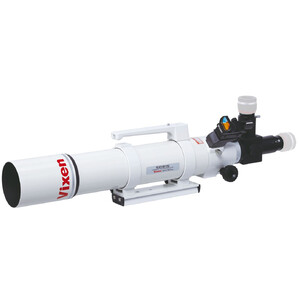
Vixen SD81S
The Vixen SD81S uses Vixen's proprietary SD (Super Duplex) glass — a specialised optical material offering colour correction performance beyond standard ED glass and approaching fluorite in effectiveness.
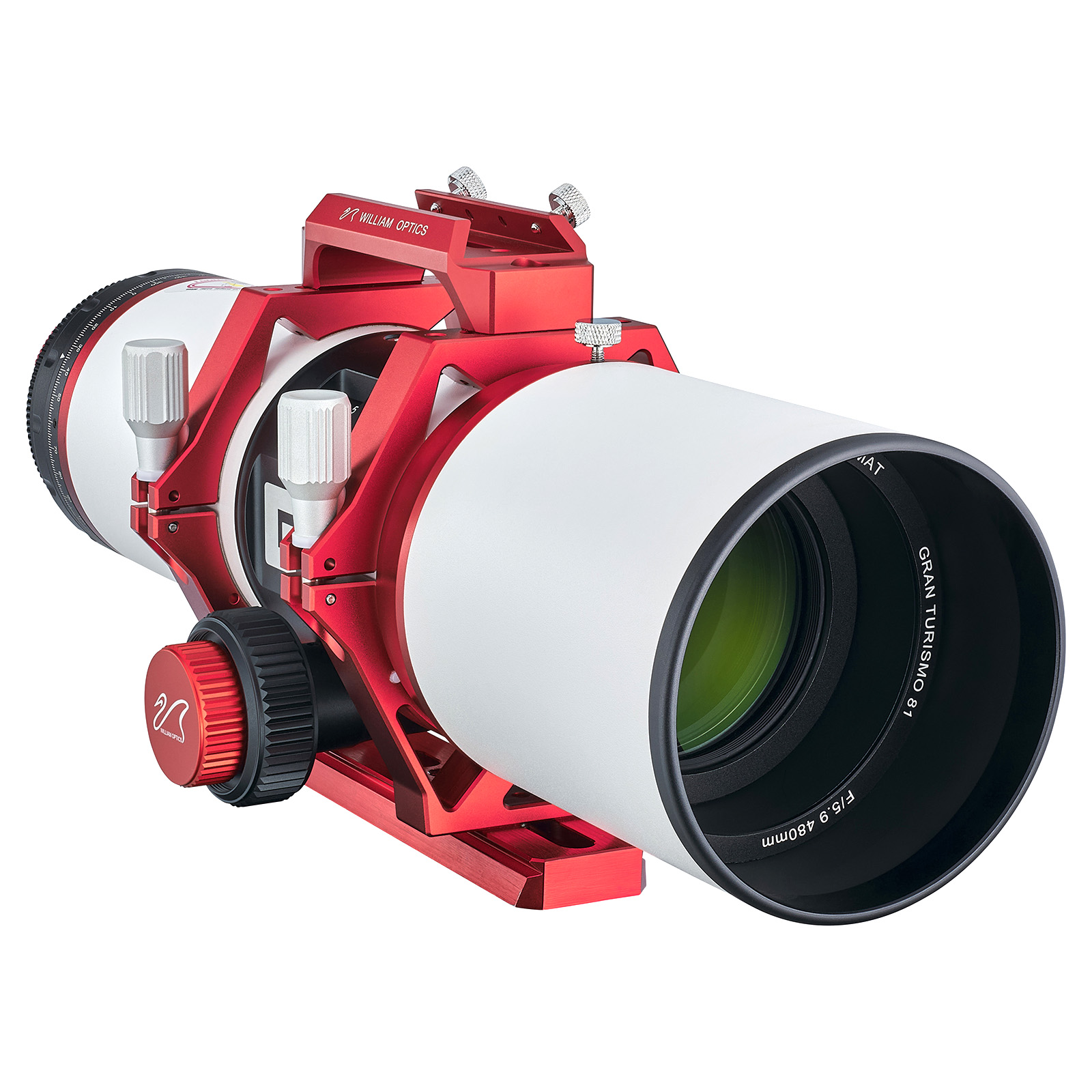
William Optics
William Optics GT81
The GT81 is William Optics' three-element ED triplet at 81mm, stepping up from the doublet Zenithstar series to full apochromatic correction.
Orion
Orion AstroView 90mm EQ Refractor
A 90mm achromatic refractor on a proper equatorial mount, positioned well above toy-store refractors.
Sky-Watcher
Sky-Watcher EvoStar 90 EQ2
A 90mm achromatic refractor at f/10 — the classic entry-level refractor configuration that has served beginner astronomers well for decades.
William Optics
William Optics FluoroStar 91
The FluoroStar 91 is William Optics' premium fluorite triplet refractor — using natural fluorite glass rather than synthetic ED glass for the chromatic aberration correction.
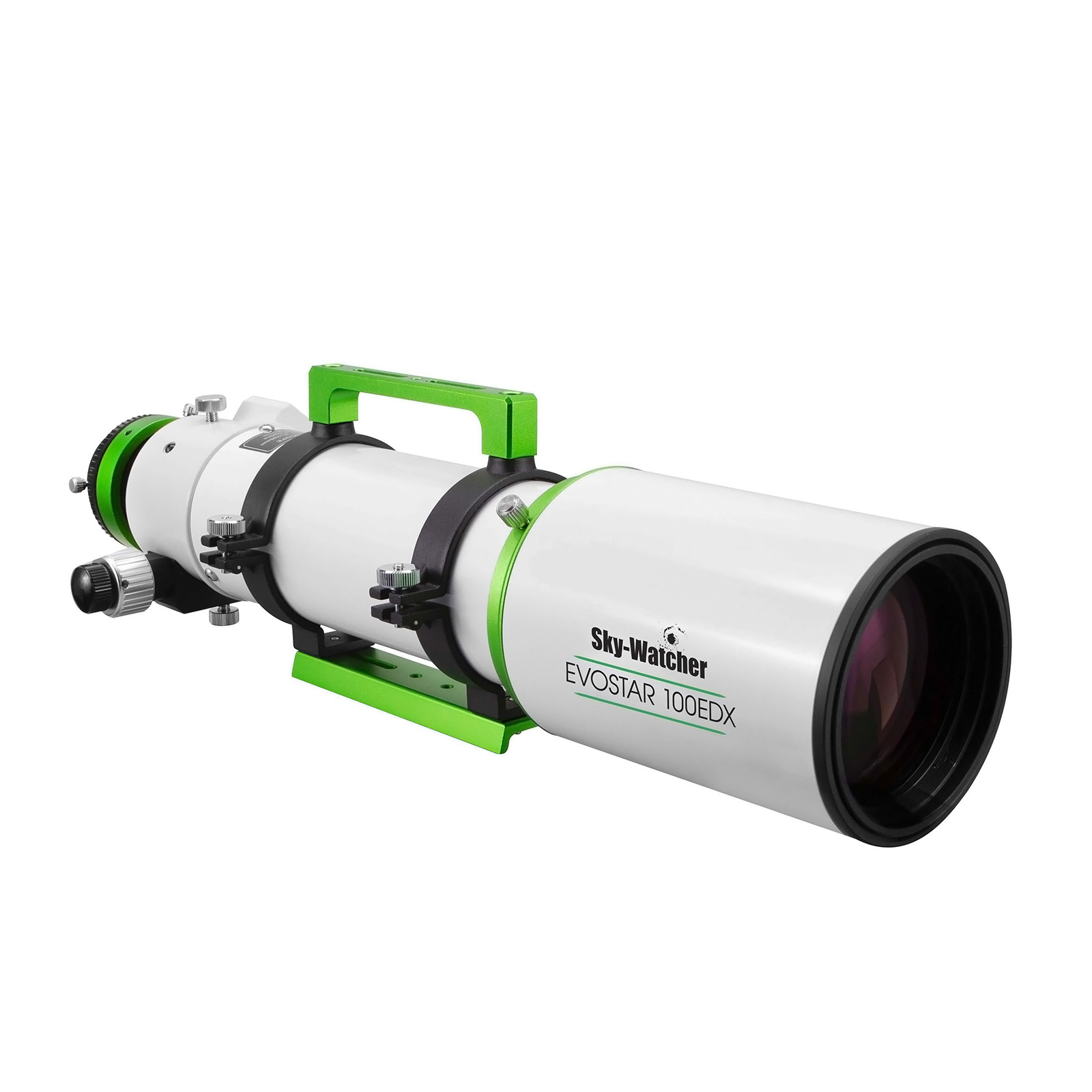
Sky-Watcher
Sky-Watcher Evostar 100ED
The Evostar 100ED is a 100mm ED doublet refractor at f/9, offering a longer focal ratio than the fast Esprit triplets.
Sky-Watcher
Sky-Watcher Esprit 100ED
The Esprit 100ED gives you 100mm of apochromatic triplet aperture at a fast f/5.
Bresser
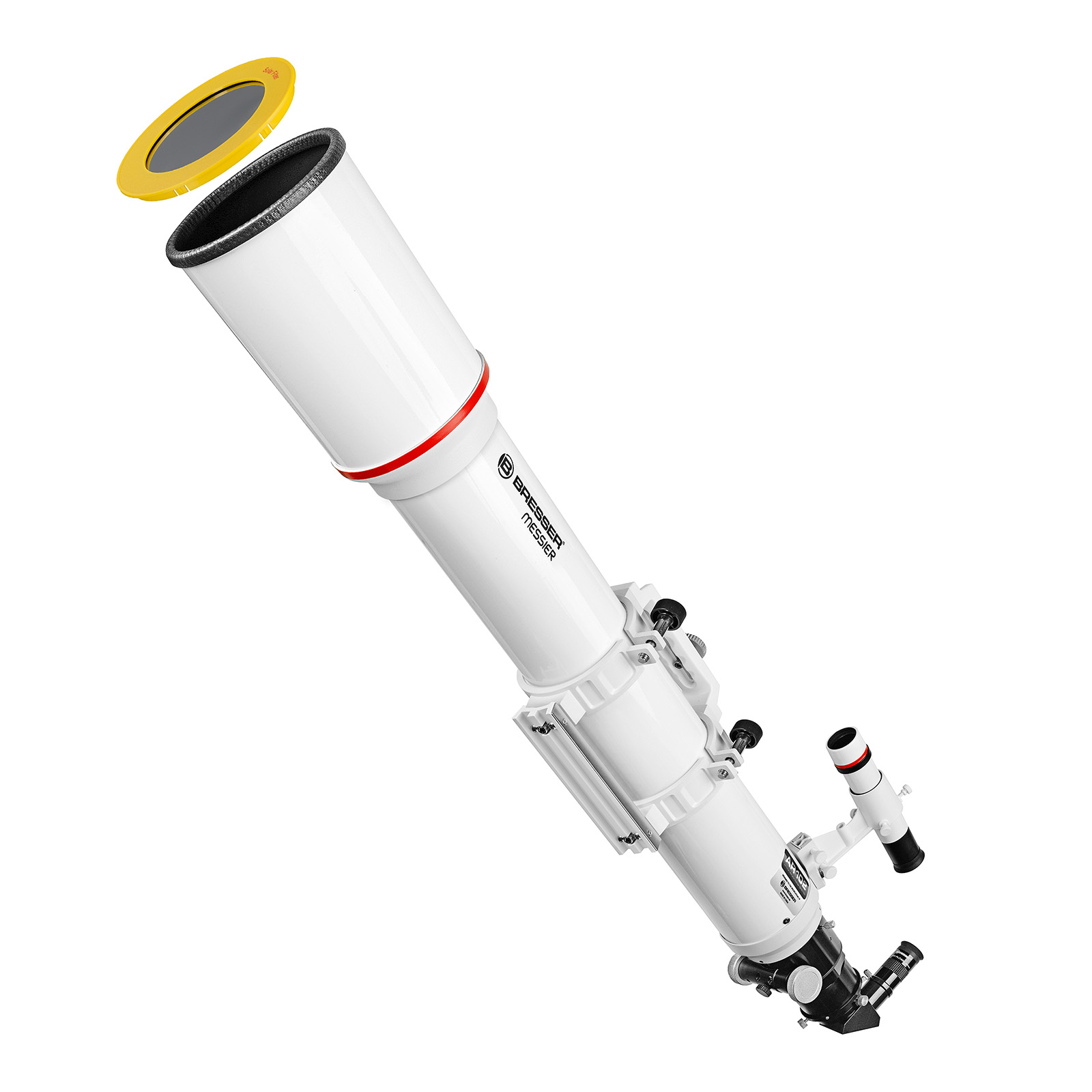
Bresser Messier AR-102
The Bresser Messier AR-102 is a 102mm achromatic refractor on an equatorial mount — Bresser's mid-range entry combining a decently sized objective with better accessories than the typical beginner refractor.
William Optics
William Optics GT102
The GT102 is William Optics' 102mm ED triplet, a step up in aperture and focal length from the GT81.
Celestron
Celestron Omni XLT 102
A 102mm achromatic refractor on the Celestron CG-4 manual equatorial mount.
Explore Scientific
Explore Scientific AR102
A 102mm achromatic refractor (OTA only) that punches above its price.
Takahashi
Takahashi TSA-102
A 102mm f/8 triplet APO refractor built to Takahashi's exacting standards — the benchmark scope for serious visual planetary observation in a portable format.
Omegon
Omegon AC 102/660 AZ-3
A 102mm achromatic refractor on a simple alt-az mount — the classic beginner telescope configuration that has introduced more people to astronomy than any other format.
Celestron
Celestron StarSense Explorer DX 102AZ
The StarSense Explorer DX 102AZ brings Celestron's phone-dock navigation system to a 102mm achromatic refractor.
Celestron
Celestron AstroMaster 102AZ
A 102mm refractor on a simple alt-az mount — the AstroMaster 102AZ is an approachable entry point for people drawn to refractors rather than reflectors.
Explore Scientific
Explore Scientific ED102 Carbon Fibre
The ES ED102 CF is a 102mm f/7 ED triplet apochromat in a carbon-fibre tube — one of the better-value premium refractors on the market.
Vixen
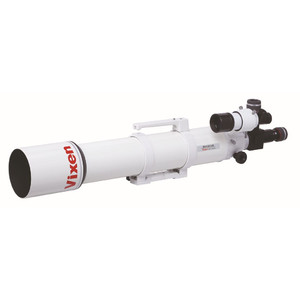
Vixen SD103S
The ED103S is Vixen's 103mm ED doublet apochromat — Japanese-made precision optics at a price point that sits between the popular 80mm APOs and the flagship triplet designs.
Askar
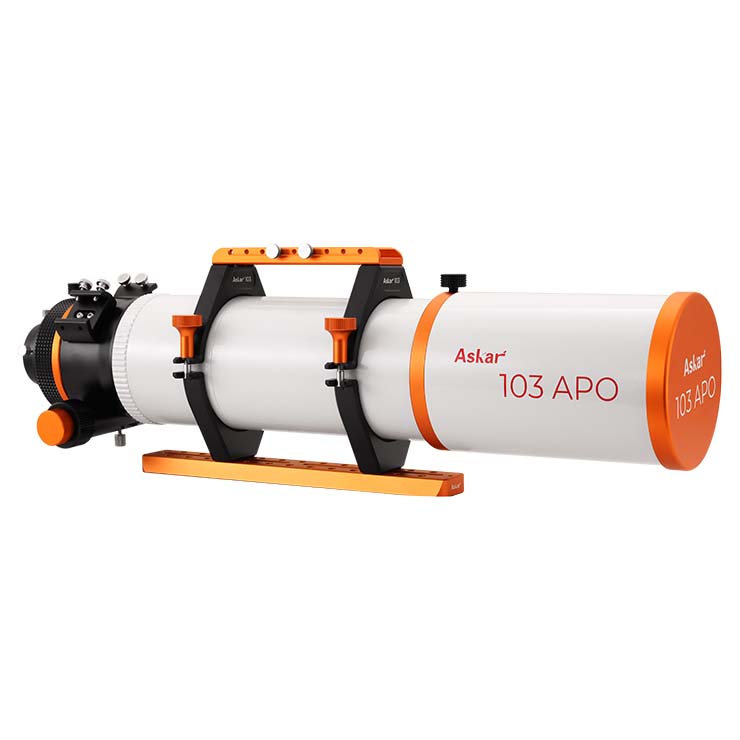
Askar 103APO
The Askar 103APO is a 103mm ED triplet refractor aimed at the serious astrophotographer who wants a step up from 80mm without the cost of the Esprit 120 or equivalent.
Sky-Watcher
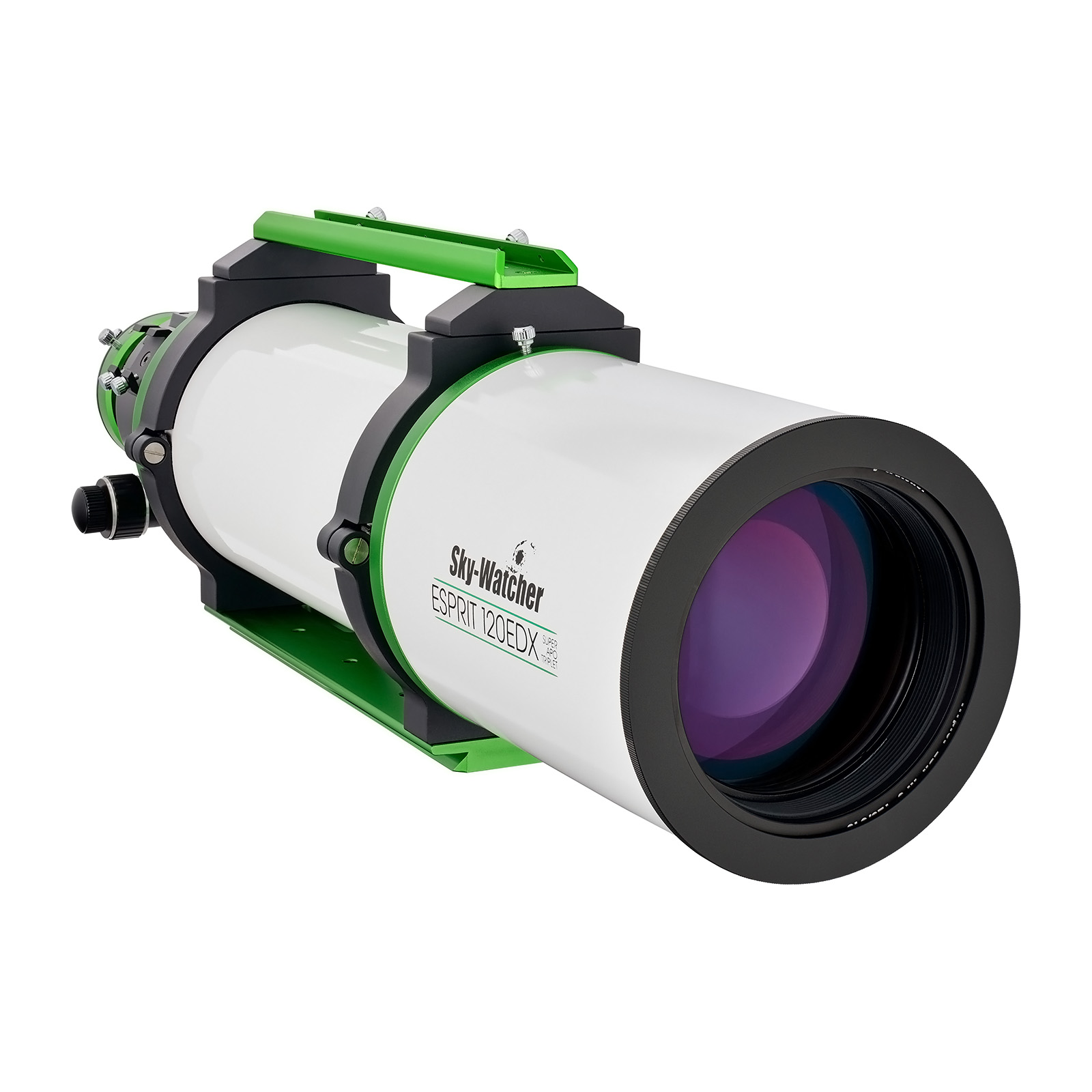
Sky-Watcher Esprit 120ED
The Esprit 120ED is Sky-Watcher's largest standard apochromatic triplet.
Explore Scientific
Explore Scientific AR127 Refractor
The AR127 is a 127mm f/7.
Askar
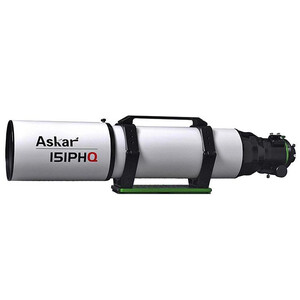
Askar 151PHQ
The Askar 151PHQ is a flagship five-element (quintuplet) refractor astrograph — at 151mm aperture it is one of the largest production imaging refractors in the market.