Smart Telescopes
Point it at the sky and walk away. Smart telescopes find, track, and stack images automatically — no eyepiece, no star charts, just results on your phone.
13
telescopes in our database
24–203 mm
aperture range
How a smart telescope works
An integrated camera captures light and stacks multiple exposures automatically. No eyepiece — you view on a phone or tablet. The computer handles alignment, tracking, and image processing.
Is a smart right for you?
Every type has its ideal buyer. Here is how to know if this is yours.
Great if…
- ✓You want stunning astrophotos without a steep learning curve. Traditional astrophotography involves polar alignment, guiding, calibration frames, and hours of processing. A smart scope handles all of that automatically. The results are real — just without the effort.
- ✓You observe from a light-polluted location. Live stacking in software cancels out light pollution gradients that would ruin a visual session. Smart scopes genuinely work from suburban and urban gardens.
- ✓You're introducing someone to astronomy. Seeing a real nebula on a phone screen in real time, outdoors, within five minutes of unboxing — this is more compelling for a new observer than hunting for a faint smudge at an eyepiece.
Not ideal if…
- ✗You want the traditional eyepiece experience. There is no eyepiece. These are cameras with optics attached. If the act of looking through an eyepiece matters to you, a smart scope is the wrong product.
- ✗Planets are your main interest. Smart scopes are designed for deep-sky stacking. Most struggle on planets — the objects are too bright, move too fast, and need different capture techniques. For Solar System observing, buy a traditional telescope.
Our top smart picks
Editorially selected — the scopes we'd recommend to most buyers.
ZWO
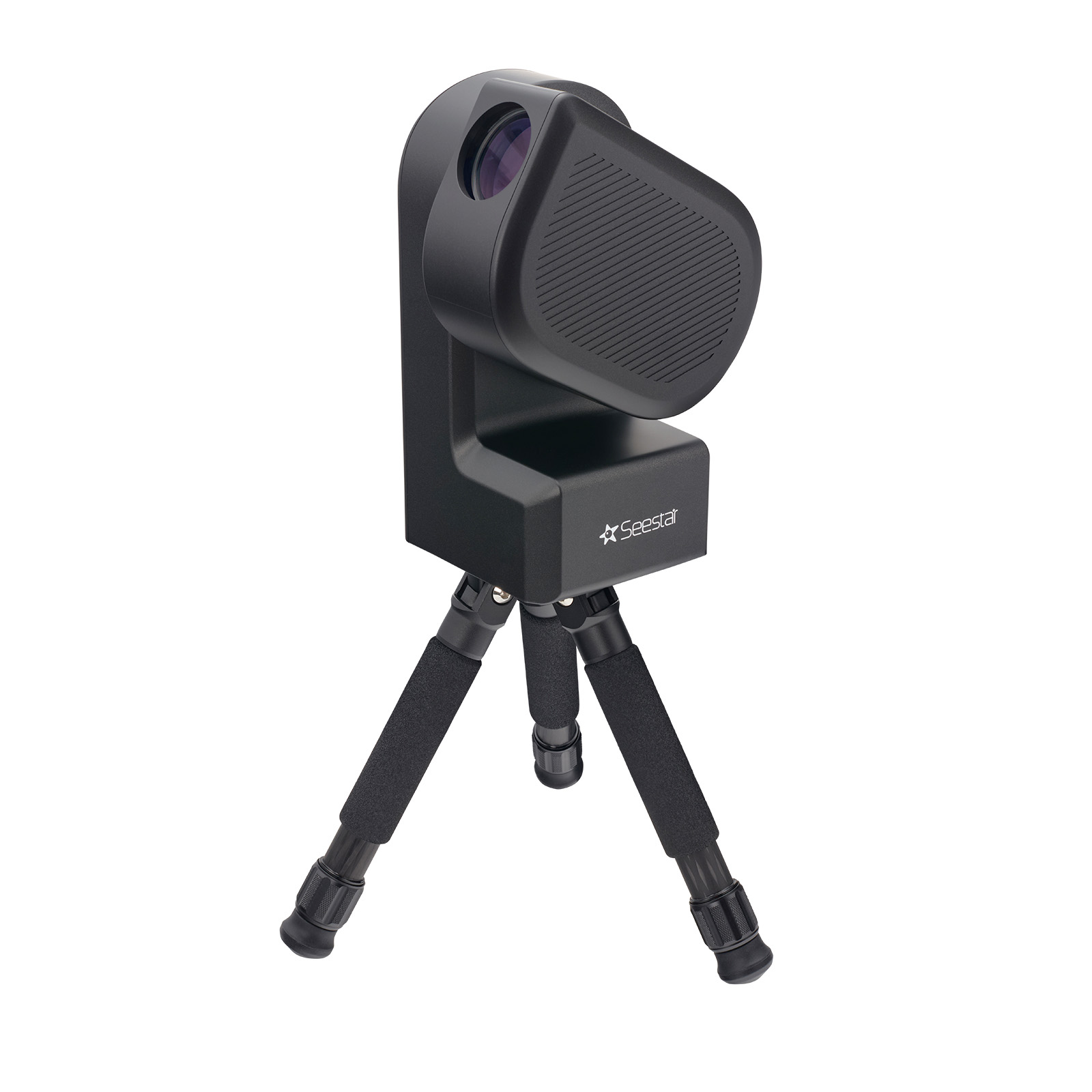
ZWO Seestar S50
The Seestar S50 redefined what's possible at the entry level of astrophotography. It's a complete, self-contained unit: telescope, camera, mount, and software in a single package weighing 2.5kg. You put it on any tripod, connect your phone via the Seestar app, and it aligns itself, locates a target, and starts stacking images — automatically. No polar alignment, no NINA, no guiding, no plate solving. Just point the app at a target and watch your phone fill with detail of the Andromeda Galaxy. The 50mm aperture and fast f/5 optics are optimised for the integrated sensor. The practical limitation is aperture: at 50mm it cannot gather the light that a traditional 200mm Newtonian can, and for faint objects like small galaxies it shows its limits compared to more capable systems. But as a grab-and-go instrument for casual deep-sky imaging — especially from a light-polluted suburban garden — it is genuinely impressive, and almost nothing beats it for ease of use.
View telescope →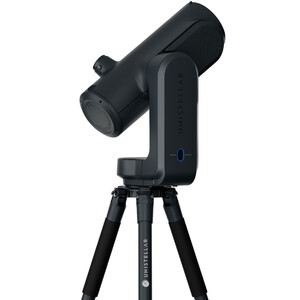
Unistellar
Unistellar Odyssey
The Unistellar Odyssey is the brand's more accessible entry point — a compact smart telescope bringing Unistellar's Enhanced Vision technology and citizen science integration to a lower price. At 50mm aperture it is more modest than the eQuinox or eVscope range, but the Unistellar app experience, SETI Institute partnership, and automated alignment remain intact. Competes directly with the ZWO Seestar S50 at a similar price point with a different software and ecosystem approach.
View telescope →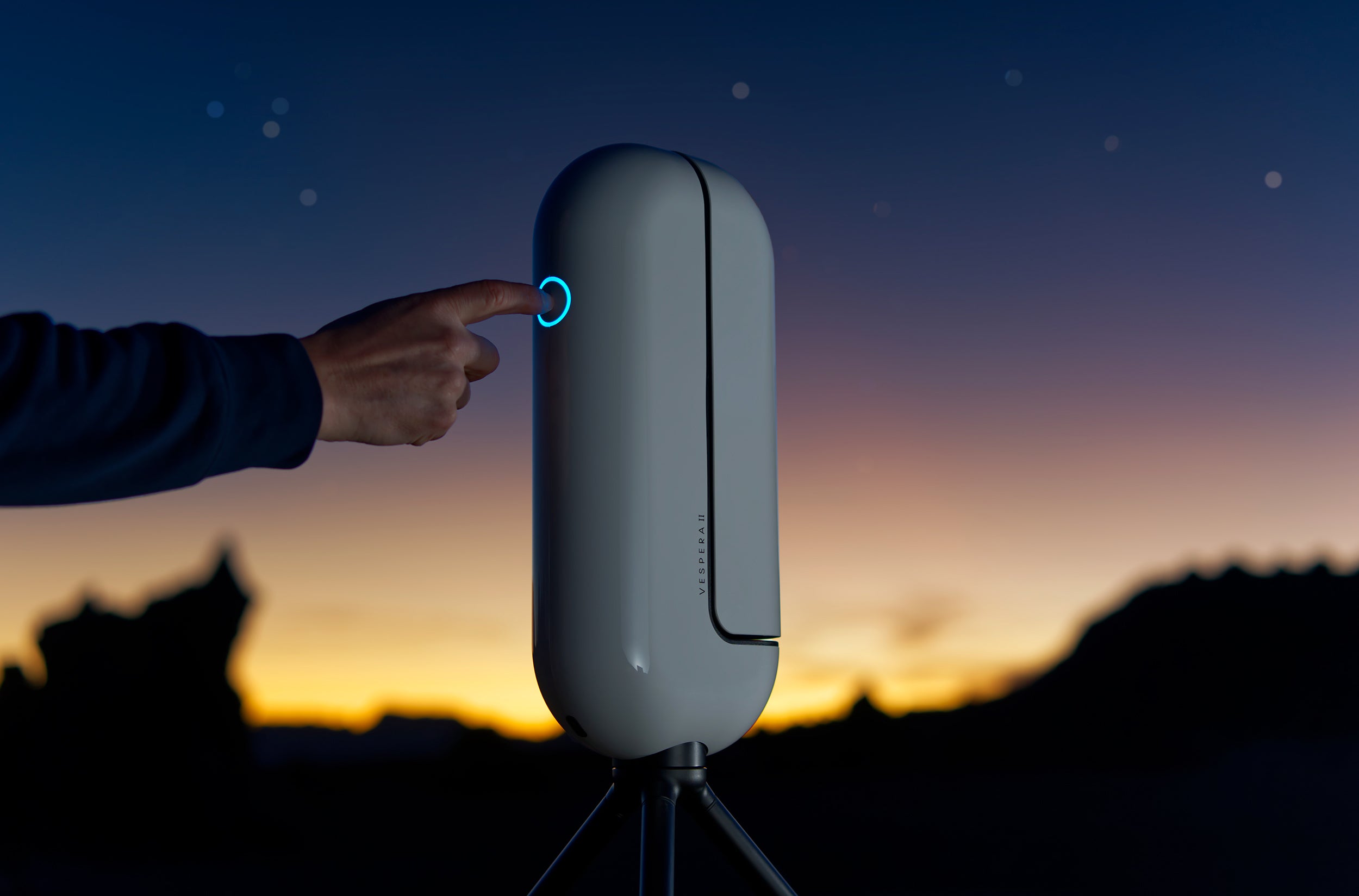
Vaonis
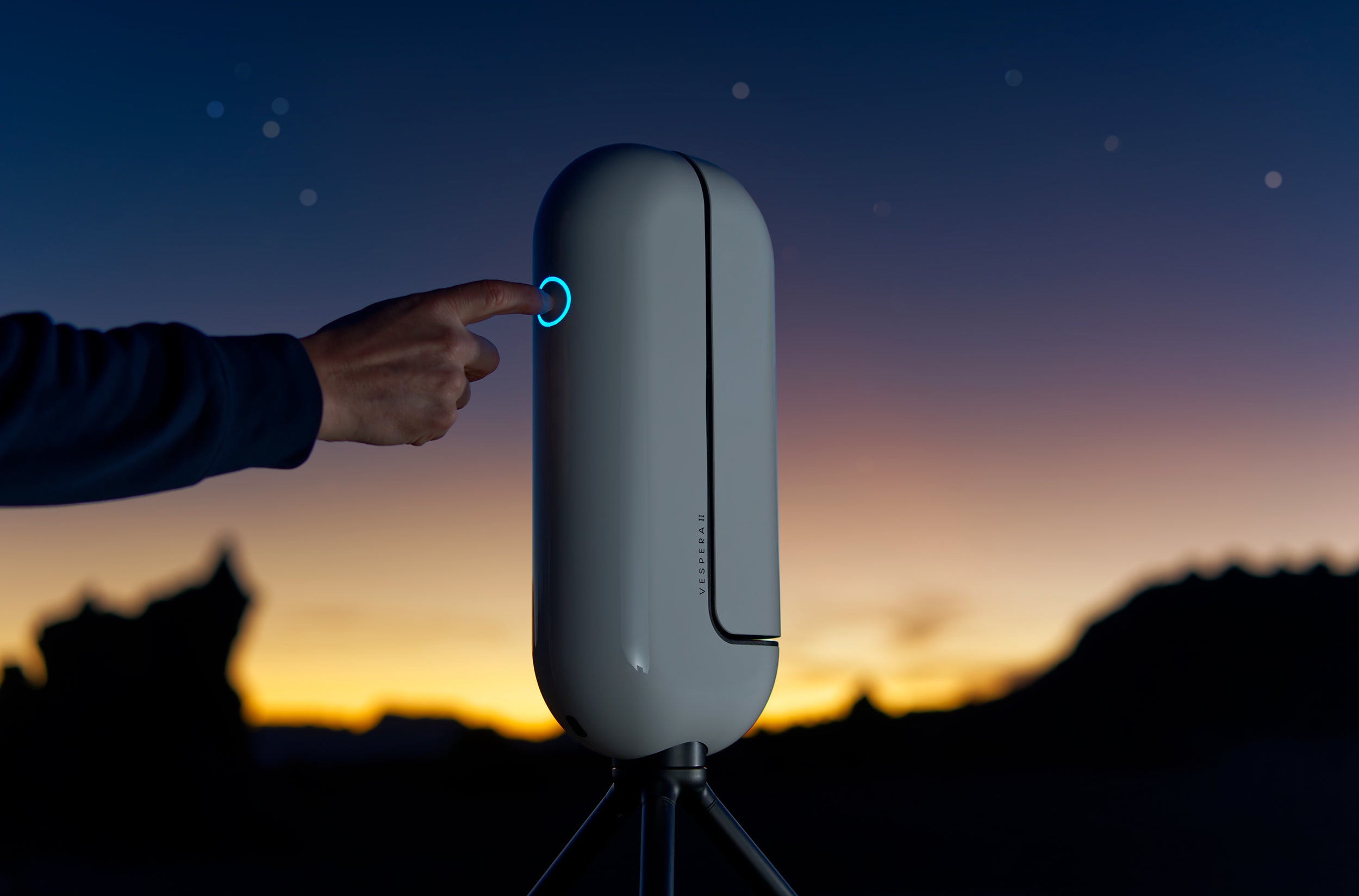
Vaonis Vespera Pro
The Vespera Pro is Vaonis's compact, accessible smart telescope — a 50mm apochromatic doublet in the Vaonis ecosystem. It inherits the Stellina's seamless Singularity app experience and Vaonis's quality construction at a more accessible price. Battery-powered, light, and portable, it's genuinely grab-and-go. At 50mm it competes directly with the ZWO Seestar S50 — the choice between them comes down to ecosystem preference, with Vaonis emphasising refined app experience and build quality versus ZWO's broader feature set.
View telescope →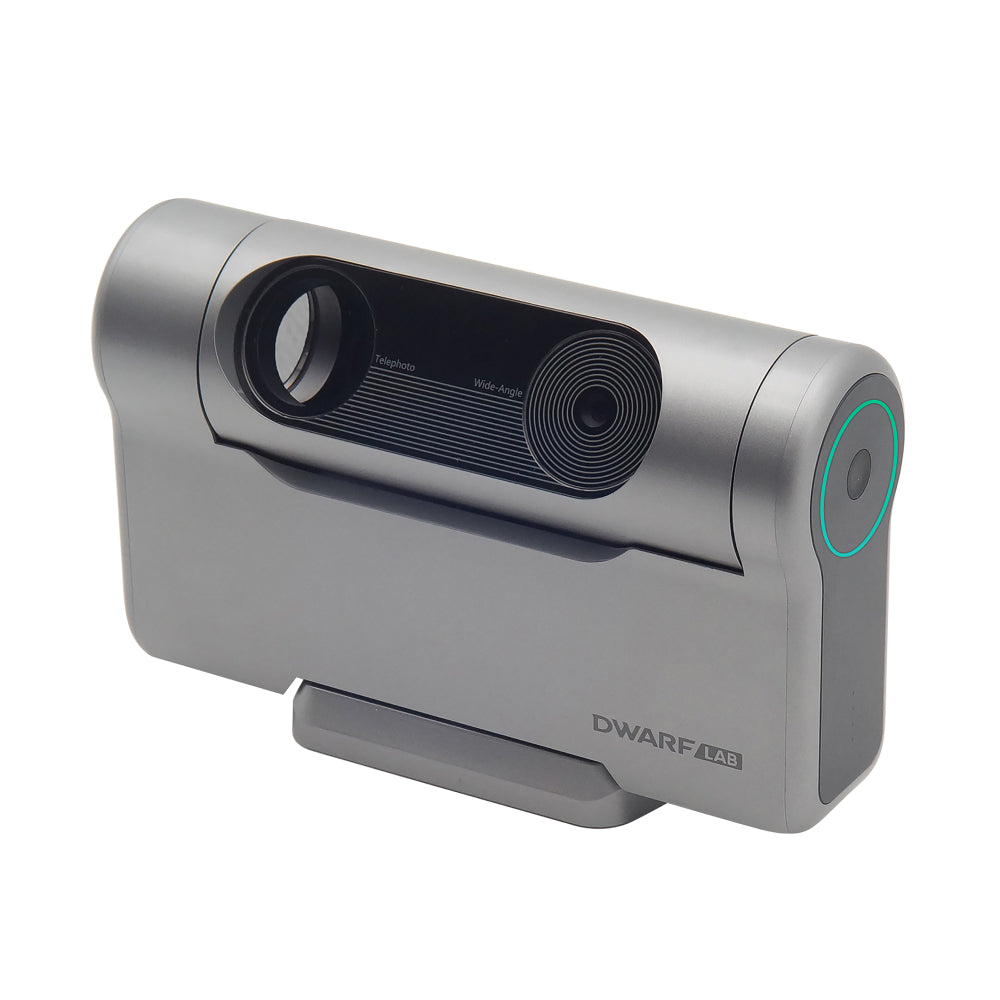
Dwarf Labs
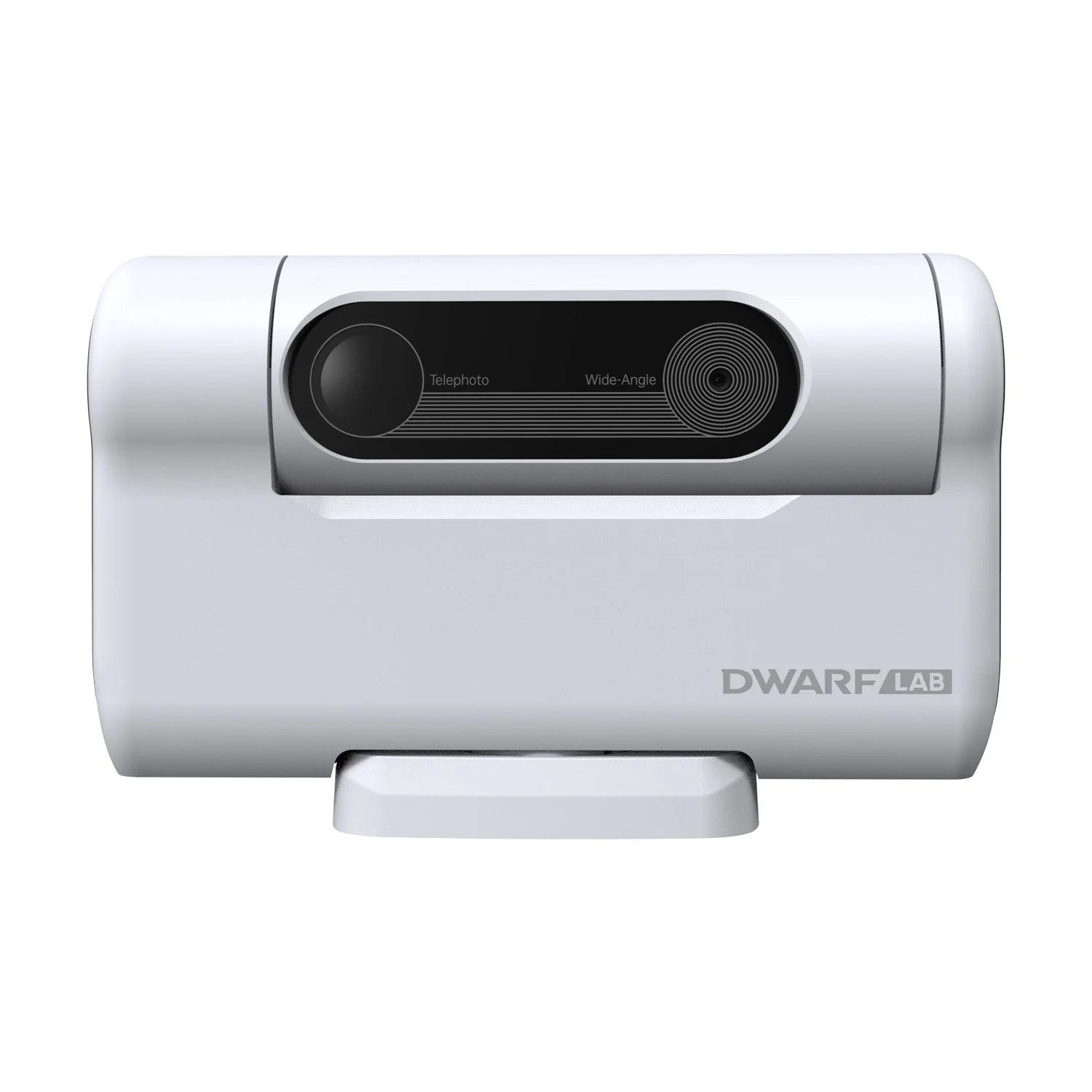
Dwarf Labs DWARF III
The DWARF III is the updated successor to the DWARF II, bringing an improved Sony sensor, refined tracking mechanics, and better software to the same compact and affordable smart telescope formula. The aperture remains at 24mm but the sensor upgrade meaningfully improves image quality, particularly on bright nebulae and star clusters. The DWARF III positions itself as the most capable entry in the under-£500 smart telescope segment, competing with the ZWO Seestar S30 and S50 at the lower end of the market.
View telescope →Can't decide between the top two?
Seestar S50 vs Unistellar Odyssey →What to look for when buying
Three specs that matter specifically for smarts — and what they mean in practice.
Live stacking
How smart scopes produce their images.
Rather than taking one long exposure (which requires precise tracking), smart scopes take hundreds of short exposures and combine them automatically in software. The result appears in real time on your phone and improves over 10–30 minutes of observing.
Aperture still matters
Smaller sensor ≠ smaller aperture limitation.
A 50mm smart scope captures less light than a 200mm reflector — no software can change physics. Smaller scopes resolve less detail in faint targets and struggle with very dim objects. More aperture still means better images; the automation does not override this.
App and ecosystem
You are buying into a software platform.
Each brand has its own app — ZWO's Seestar app, Unistellar's eVscope app, Vaonis's Singularity. The quality of the app matters as much as the optics. Check reviews for update frequency, reliability, and community support before buying.
Smart: honest trade-offs
What they do well
No learning curve
Level it, connect to Wi-Fi, tap a target in the app. The scope aligns, slews, focuses, and starts stacking. Someone with no astronomy experience can get results on the first night.
Works from light-polluted skies
Live stacking software cancels light pollution in a way visual observing cannot. This is a genuine advantage for city and suburban observers.
Shareable results
You get an image, not an experience you have to describe. Share results immediately — this makes smart scopes excellent for families and outreach.
Compact and portable
Most smart scopes weigh under 3kg and fit in a backpack. Setup time is under five minutes. They are the most practical scopes to actually use regularly.
Honest limitations
No eyepiece
The experience of looking through an eyepiece is entirely absent. For many people this is not astronomy in the traditional sense — it is astrophotography with a small camera.
Poor on planets
Deep-sky stacking is not suited to fast-moving, bright Solar System objects. Most smart scopes produce mediocre planetary results compared to a traditional telescope of similar aperture.
Expensive for the aperture
A £500 smart scope has a 50mm aperture. A £500 Dobsonian has 200mm. The premium is for automation, software, and convenience — not optics.
Dependent on app and Wi-Fi
If the app is discontinued or the Wi-Fi connection drops, the scope stops working properly. You are tied to the manufacturer's software roadmap in a way traditional scopes are not.
Also consider
All smart telescopes in our database
13 telescopesDwarf Labs
Dwarf Labs DWARF III
The DWARF III is the updated successor to the DWARF II, bringing an improved Sony sensor, refined tracking mechanics, and better software to the same compact and affordable smart telescope formula.
Dwarf Labs
Dwarf Labs DWARF II
The DWARF II is the most affordable smart telescope on the market — a 24mm telephoto-style lens with a Sony IMX462 sensor, automated tracking, and dedicated app in a package weighing just over 1kg.
ZWO
ZWO Seestar S30
The Seestar S30 is ZWO's most compact and affordable smart telescope — a smaller sibling to the popular S50.
ZWO
ZWO Seestar S30 Pro
The Seestar S30 Pro is the upgraded version of ZWO's entry-level smart telescope, adding a built-in solar filter, enhanced battery life, and improved stacking algorithms over the original S30.
Vaonis
Vaonis Vespera Pro
The Vespera Pro is Vaonis's compact, accessible smart telescope — a 50mm apochromatic doublet in the Vaonis ecosystem.
Vaonis
Vaonis Vespera Observation Pack
The Vespera Observation Pack bundles the Vespera Pro telescope with accessories including a dew heater, carrying case, and tripod adaptor — everything needed to get started in one box.
Unistellar
Unistellar Odyssey
The Unistellar Odyssey is the brand's more accessible entry point — a compact smart telescope bringing Unistellar's Enhanced Vision technology and citizen science integration to a lower price.
ZWO
ZWO Seestar S50
The Seestar S50 redefined what's possible at the entry level of astrophotography.
Unistellar
Unistellar Odyssey Pro
The Odyssey Pro is the premium version of Unistellar's Odyssey, adding a built-in dual narrowband filter that dramatically improves nebula imaging from light-polluted locations.
Vaonis
Vaonis Stellina
The Vaonis Stellina is the original premium smart telescope — an 80mm apochromatic doublet with an integrated Sony sensor, motorised mount, and seamless Singularity app control.
Unistellar
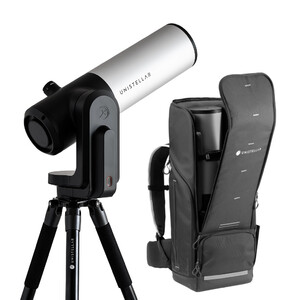
Unistellar eVscope 2
The eVscope 2 is Unistellar's updated flagship smart telescope, improving on the original eVscope with an upgraded Sony sensor and refined optics.
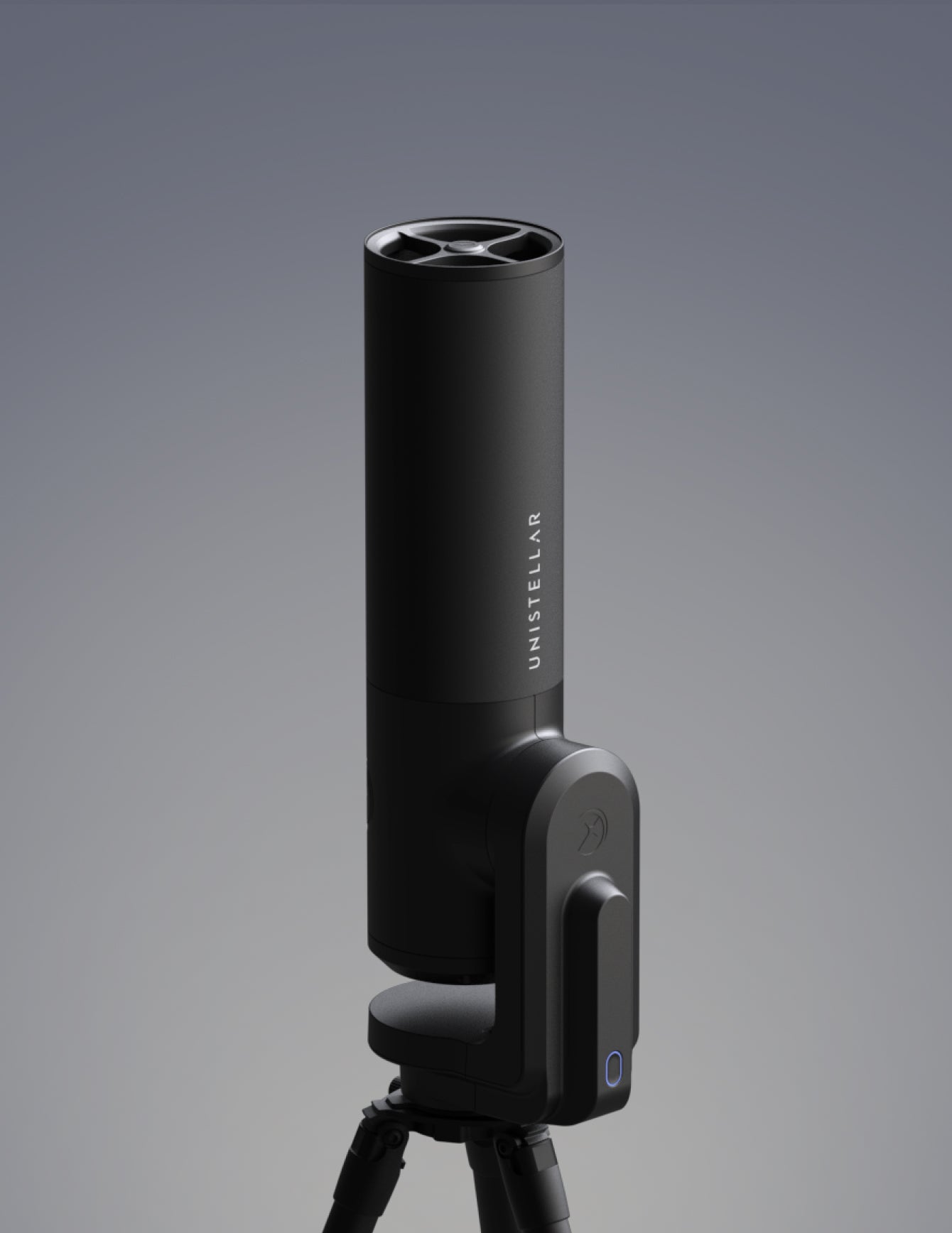
Unistellar
Unistellar eQuinox 2
The eQuinox 2 is Unistellar's mid-range smart telescope, and it represents a significant step up from the Seestar S50 in aperture (114mm vs 50mm) and sensor quality.
Celestron
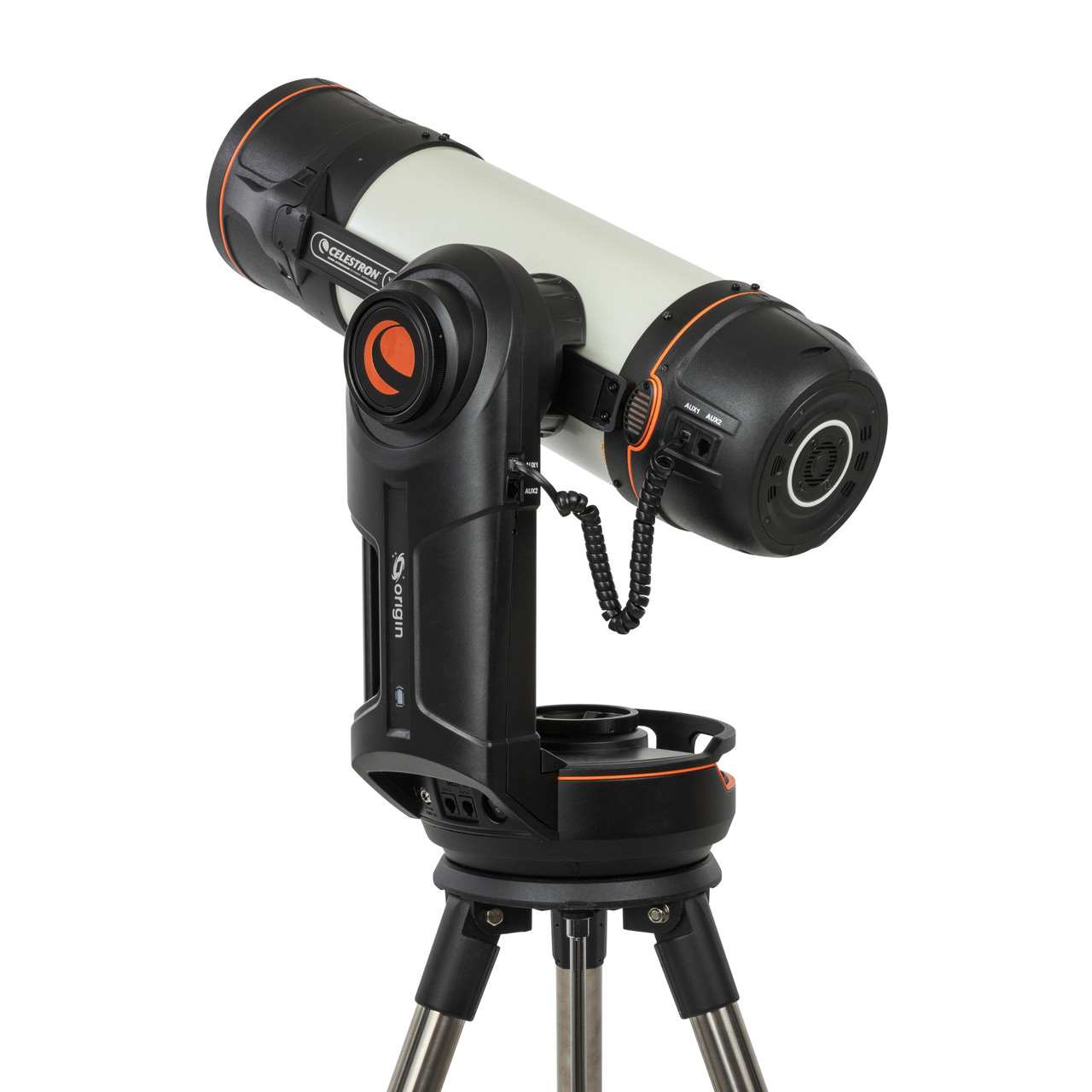
Celestron Origin
The Celestron Origin is a smart home observatory telescope combining the RASA 8's f/2.