Browse·Smart Scopes·ZWO Seestar S70
ZWO
ZWO Seestar S70
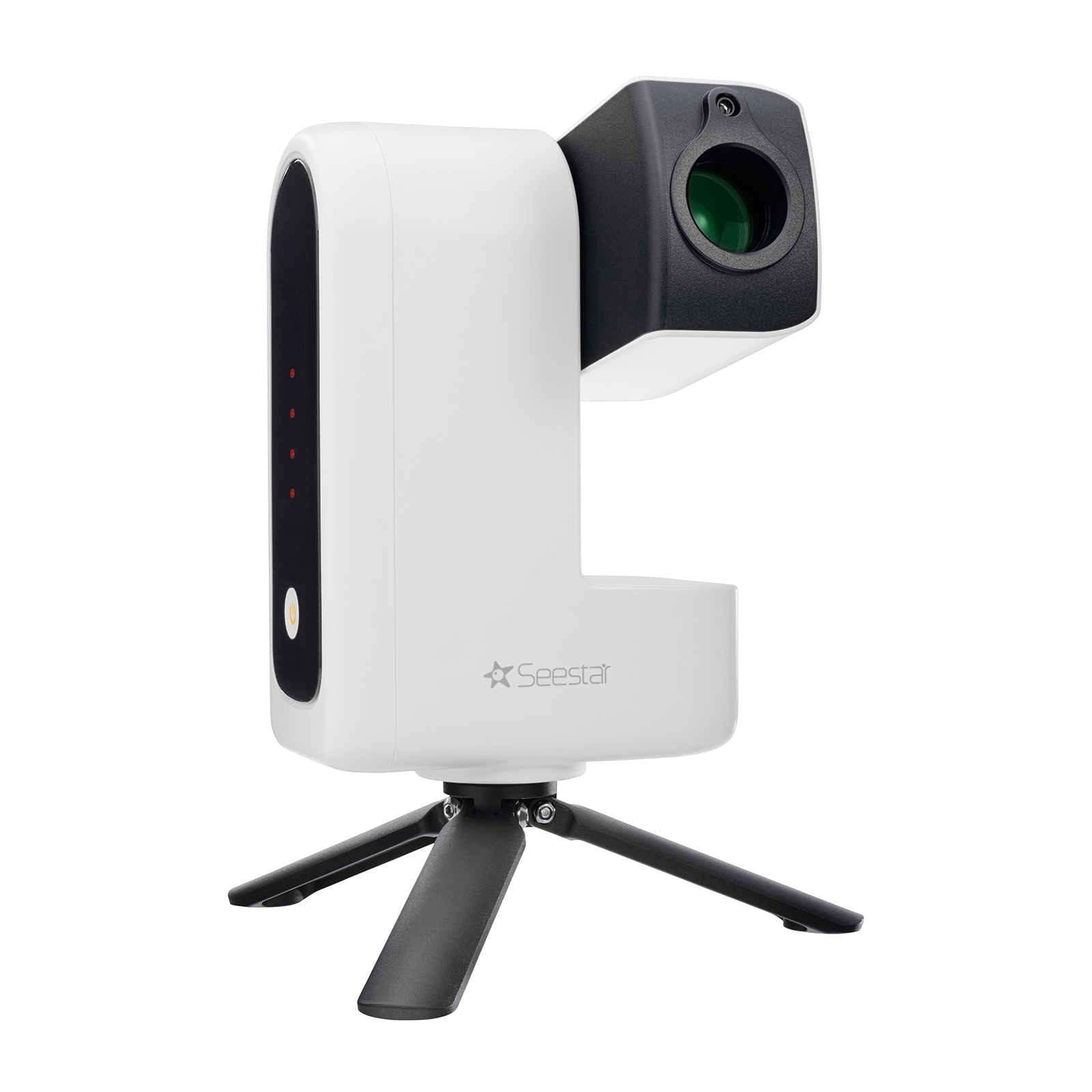
Automated 70mm refractor that trades visual purity for accessible deep-sky imaging.
Affiliate link — we earn from qualifying purchases at no extra cost to you.
Top targets reported by owners
What you'll see
M104 (Sombrero Galaxy)
pulled out 'very nice image' in heavily light-polluted area with upper-level clouds where visual ach…
Deep sky objects in general under light pollution
users report the robotic scopes excel where traditional visual observation fails
Supernova targets
one user noted 'If you hear that there is a supernova in m101, you can run out and look at it in abo…
Worth knowing before you buy
Wobbly mechanics and excessive movement between exposures cause retention rate drops, with the rejection algorithm being…
Narrow field of view on the S50 limits framing flexibility and makes it difficult to capture wider deep-sky scenes
Very long exposure times required compared to larger aperture scopes, making imaging sessions significantly longer
Head to head
How it compares
Seestar S70
ZWO
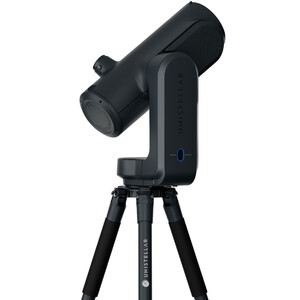
Odyssey
Unistellar
70mm · GoTo Smart Telescope vs 50mm · GoTo Smart Telescope
Full comparison →
Seestar S70
ZWO
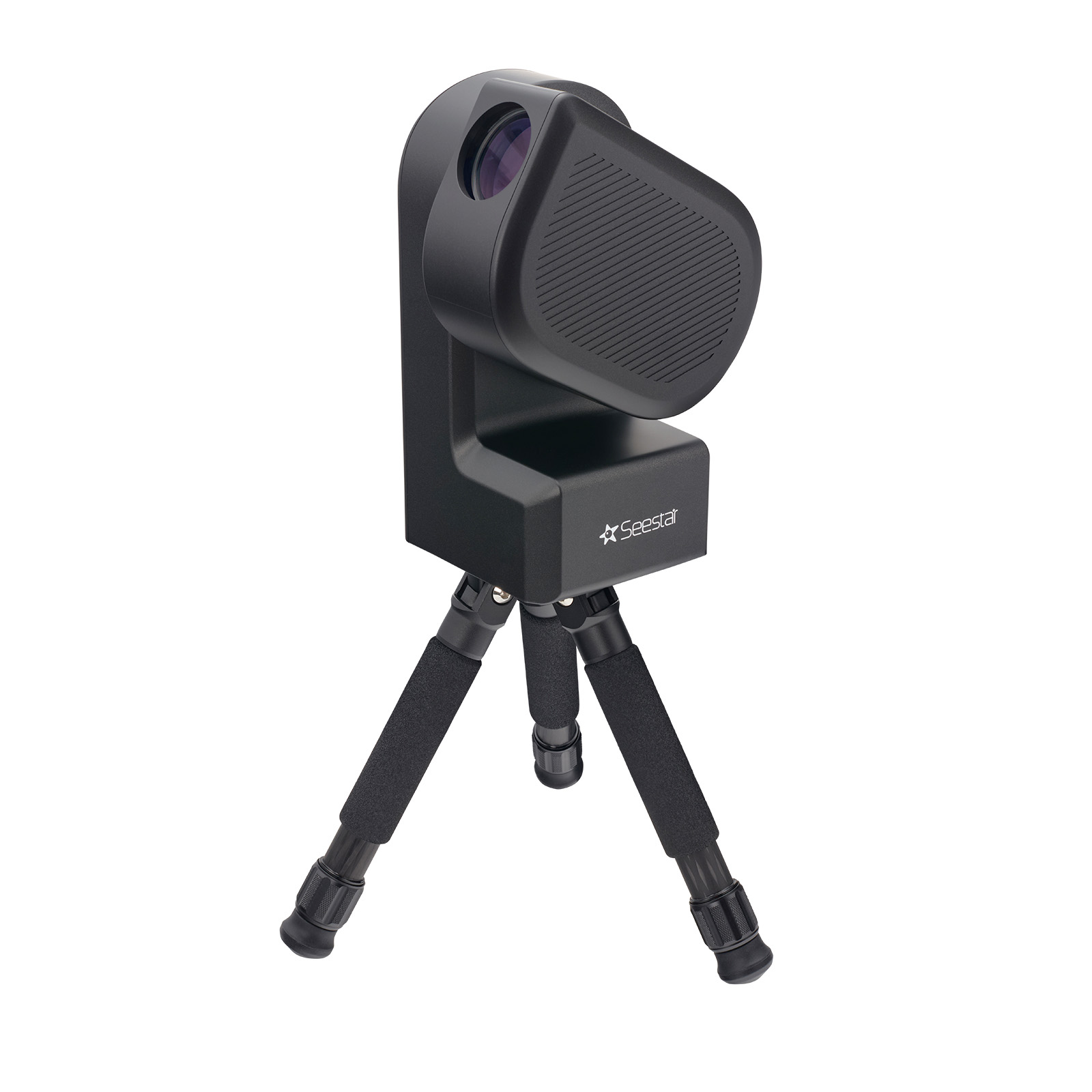
Seestar S50
ZWO
70mm · GoTo Smart Telescope vs 50mm · GoTo Smart Telescope
Full comparison →
Seestar S70
ZWO
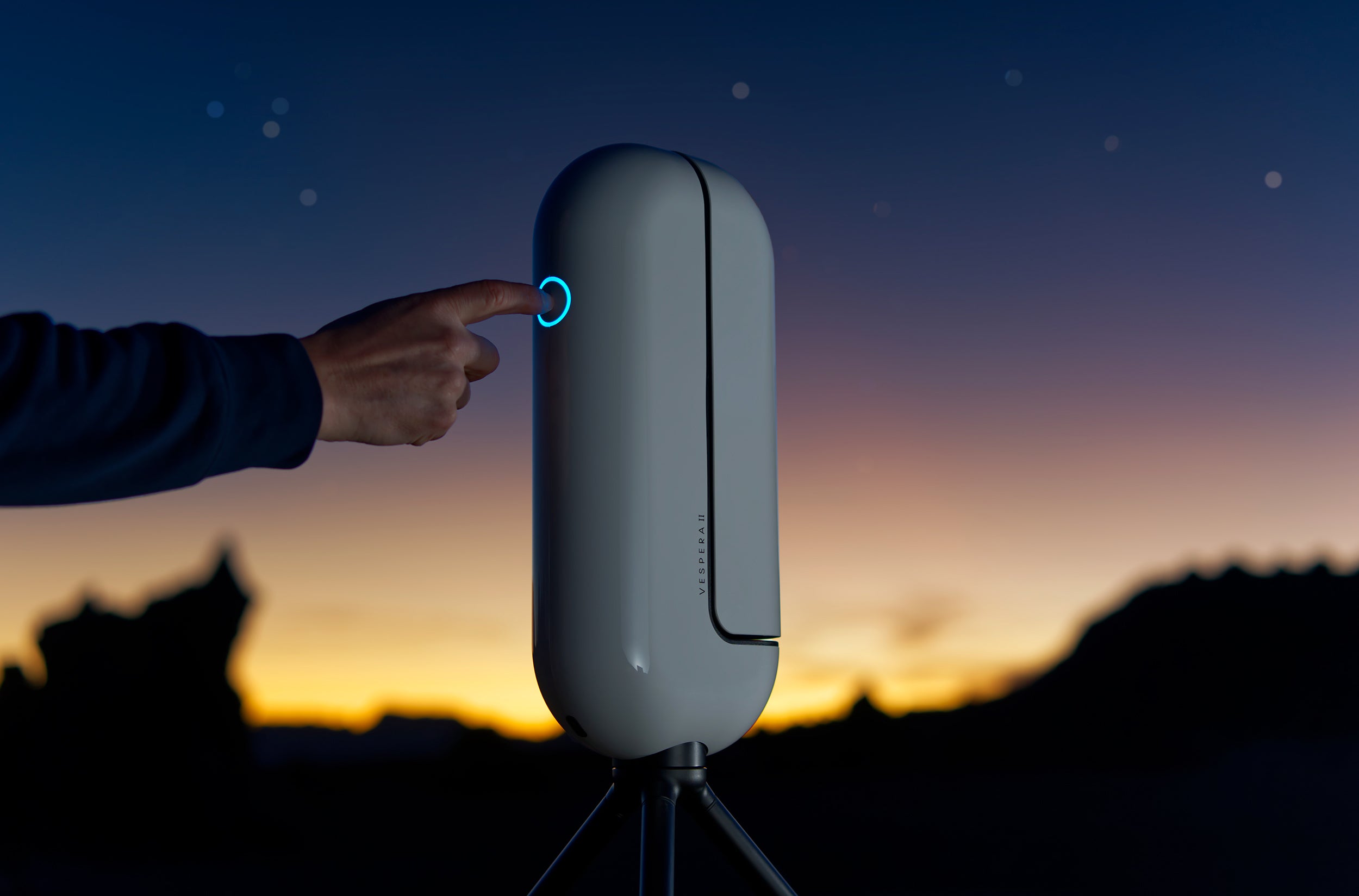
Vespera Pro
Vaonis
70mm · GoTo Smart Telescope vs 50mm · GoTo Smart Telescope
Full comparison →
Frequently asked
Questions from owners
Sourced from Cloudy Nights discussions.
- How much better is the S70 than the S50?
- The S70 collects twice as many photons as the S50 due to its larger 70mm aperture, which means faster imaging and better signal-to-noise ratio. However, members note this advantage depends on pairing it with a larger sensor and improved optics; without those upgrades, the benefit is less dramatic.
- What price should I expect for the S70?
- Members speculate the S70 will cost between $1,500 and $2,000, significantly more than the S50's $595 launch price. Some hope for $999–$1,000, but experienced users caution this is unrealistic given the added complexity and features (improved optics, larger sensor, better mechanics) needed to justify the larger aperture.
- Is the S50 worth buying now, or should I wait for the S70?
- Members with the S50 find it excellent for its price and portability; waiting for the S70 makes sense only if you specifically need better light gathering or planetary capability. For beginners or those wanting a grab-and-go scope, the S50 is a solid entry point, and the S30 is even cheaper if you prioritize portability over aperture.
- What are the main mechanical issues with the Seestar?
- Users report the mount can be 'wobbly' between exposures, with retention rates dropping unpredictably even in stable skies. The retention algorithm is a 'black box'—users cannot diagnose or adjust tolerance settings, and rejected frames are not saved, making troubleshooting difficult.
- Will the S70 add equatorial mode and cooled sensors?
- ZWO's CEO confirmed that new sensors are coming for the S30 and S50, and a ZWO wedge for equatorial mode is planned, but no timeline was given. The S70 is expected to benefit from these developments, though it remains unclear if it will include a cooled sensor or if equatorial mode will be built-in or an optional accessory.
- How does the Seestar compare to the Vaonis Vespera for a beginner?
- Both are popular all-in-one scopes, but the Seestar is cheaper ($595 for S50 vs. $1,500+ for Vespera) and more portable.
Full Specifications
Optics
| Aperture | 70mm |
| Focal Length | 350mm |
| Focal Ratio | f/5 |
| Optical Design | Smart Telescope |
| Coatings | Multi-coated ED doublet objective |
Mount & Tracking
| Mount Type | Integrated |
| GoTo (Computerised) | Yes |
| Tracking | Yes |
| Tracking Motor | Integrated dual-axis motorised alt-az with auto-alignment |
Focuser
| Focuser Type | Motorised electric focuser (auto-focus via software) |
Physical
| OTA Weight | 3.2kg |
| Total Weight (with mount) | 3.2kg |
| Tube Material | Aluminium alloy with polycarbonate housing |
Included Accessories
| Diagonal | No |
Smart Telescope Features
| Built-in Camera | Yes |
| App Controlled | Yes |
| WiFi | Yes |
| Battery Included | Yes |
| Sensor | 1/1.8" Sony IMX585 CMOS |
| Sensor Resolution | 3.8MP |