Browse·Smart Scopes·Unistellar Odyssey Pro
Unistellar
Unistellar Odyssey Pro
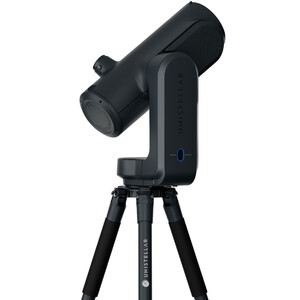
Enhanced-view smart scope that bridges traditional eyepieces and electronic astronomy.
Affiliate link — we earn from qualifying purchases at no extra cost to you.
Worth knowing before you buy
Electronic eyepiece on Unistellar eVscope 2 feels like viewing a small TV screen rather than looking through a traditional eyepiece, with the corresponding tablet/iPad view being noticeably clearer and larger, making the eyepiece seem unnecessary.
Unistellar scopes require manual focus adjustment via a focus wheel rather than having autofocus, which is less convenient than competitors like Vespera and SeeStar.
Vespera and Stellina lack manual focus control - autofocus works but users cannot manually adjust focus if needed.
Head to head
How it compares
Odyssey Pro
Unistellar
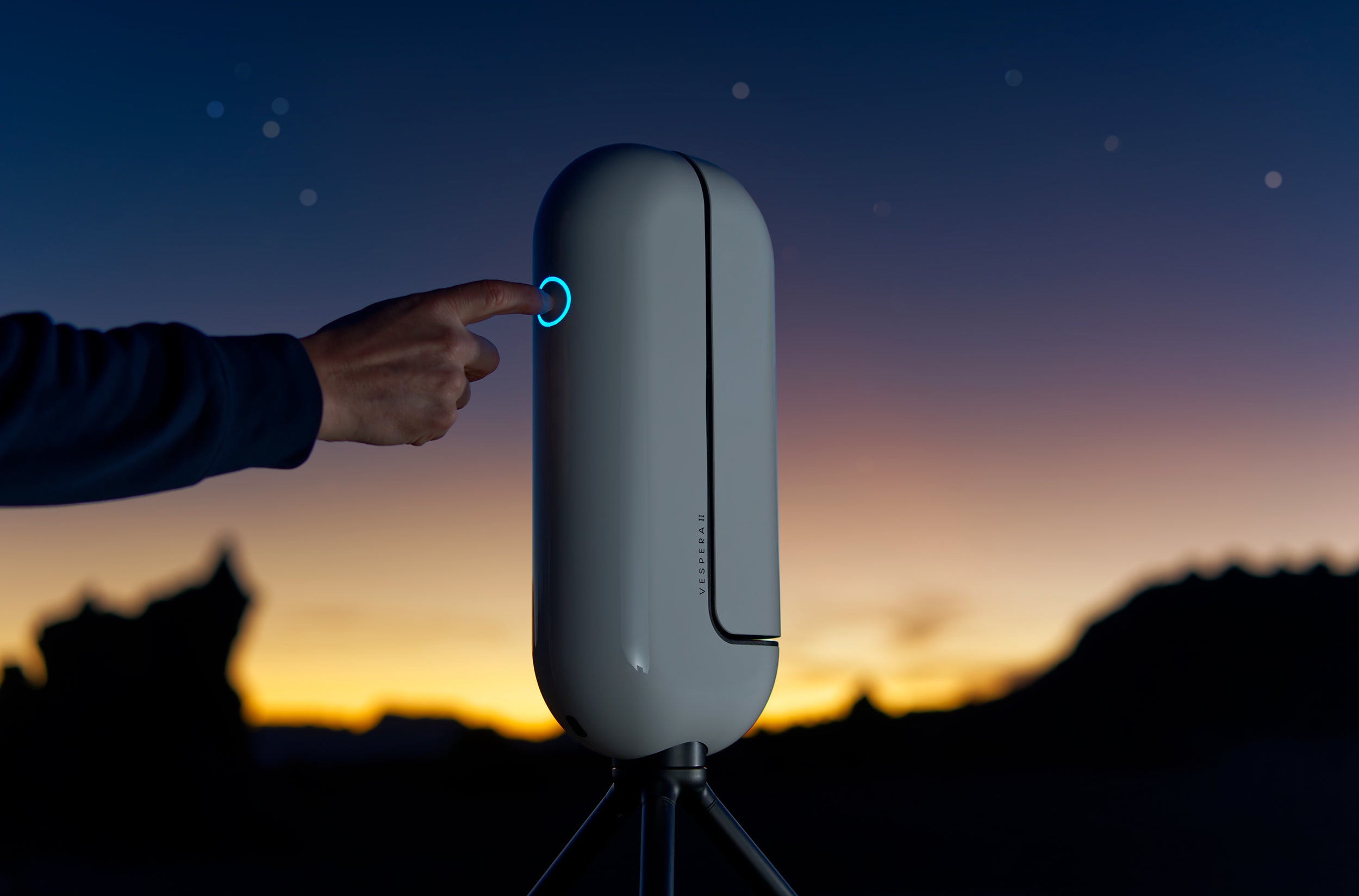
Vespera Observation Pack
Vaonis
50mm · GoTo Smart Telescope vs 50mm · GoTo Smart Telescope
Full comparison →
Odyssey Pro
Unistellar
Vespera Pro
Vaonis
50mm · GoTo Smart Telescope vs 50mm · GoTo Smart Telescope
Full comparison →
Odyssey Pro
Unistellar
Odyssey
Unistellar
50mm · GoTo Smart Telescope vs 50mm · GoTo Smart Telescope
Full comparison →
Frequently asked
Questions from owners
Sourced from Cloudy Nights discussions.
- How does the Unistellar Odyssey Pro compare to other smart telescopes like Vespera or Seestar?
- The Odyssey Pro is significantly more expensive ($4000-$5000) than competitors like the Vespera II ($1590) or Seestar S50 ($500), but offers a larger 114mm aperture and longer focal length for better planetary and deep-sky performance. However, members note it lacks the mosaic/wide-field capabilities of the Vespera and requires manual focus adjustment rather than autofocus like competitors.
- Do I need a tracking mount to use these smart telescopes effectively?
- For deep-sky objects, all smart telescopes require a tracking mount to stack multiple exposures effectively. Without tracking, you're limited to short exposures of bright objects like the Moon.
- What is the actual real-time image quality through the electronic eyepiece?
- Members who have used the electronic eyepiece (like on the Evscope 2) report it feels like looking at a small TV screen rather than through a traditional telescope, and the image is often less clear than what appears on a connected tablet or phone. Many prefer viewing stacked results on an external screen rather than through the eyepiece itself.
- How long do the batteries last during observing sessions?
- Battery life varies significantly by model and conditions. The Vespera and Seestar typically last 3-4 hours in cold temperatures (3-4°C), while the Vespera Pro offers up to 11 hours.
- Can you use these scopes for planetary imaging?
- All smart telescopes struggle with planetary imaging due to their small apertures and focal lengths—at best you can see Saturn's rings or Jupiter's bands with minimal detail. Members recommend getting a dedicated planetary scope instead, as physics cannot be overcome by software, though manufacturers are developing auto-stacking features to help.
- How mature is the software, and are there ongoing updates?
- The Vespera/Stellina software (Singularity app) is considered very mature with continuous improvements, while the Seestar's software was initially limited but improving. Members note that software development pace varies by manufacturer—Vaonis has been consistent with updates, while Dwarf Lab requires more tinkering from users and ZWO's promised 'pro version' remains unclear on pricing and release date.
Full Specifications
Optics
| Aperture | 50mm |
| Focal Length | 200mm |
| Focal Ratio | f/4 |
| Optical Design | Smart Telescope |
| Coatings | Multi-coated optics with dual narrowband filter |
Mount & Tracking
| Mount Type | Integrated |
| GoTo (Computerised) | Yes |
| Tracking | Yes |
| Tracking Motor | Integrated dual-axis motorised alt-az with autonomous field detection |
Focuser
| Focuser Type | Motorised electric focuser with auto-focus |
Physical
| OTA Weight | 4.8kg |
| Total Weight (with mount) | 4.8kg |
| Tube Material | Aluminium alloy |
Included Accessories
| Diagonal | No |
Smart Telescope Features
| Built-in Camera | Yes |
| App Controlled | Yes |
| WiFi | Yes |
| Battery Included | Yes |
| Sensor | 1/1.8" CMOS |
| Sensor Resolution | 4MP |