Browse·Smart Scopes·Dwarf Labs DWARF III
Dwarf Labs
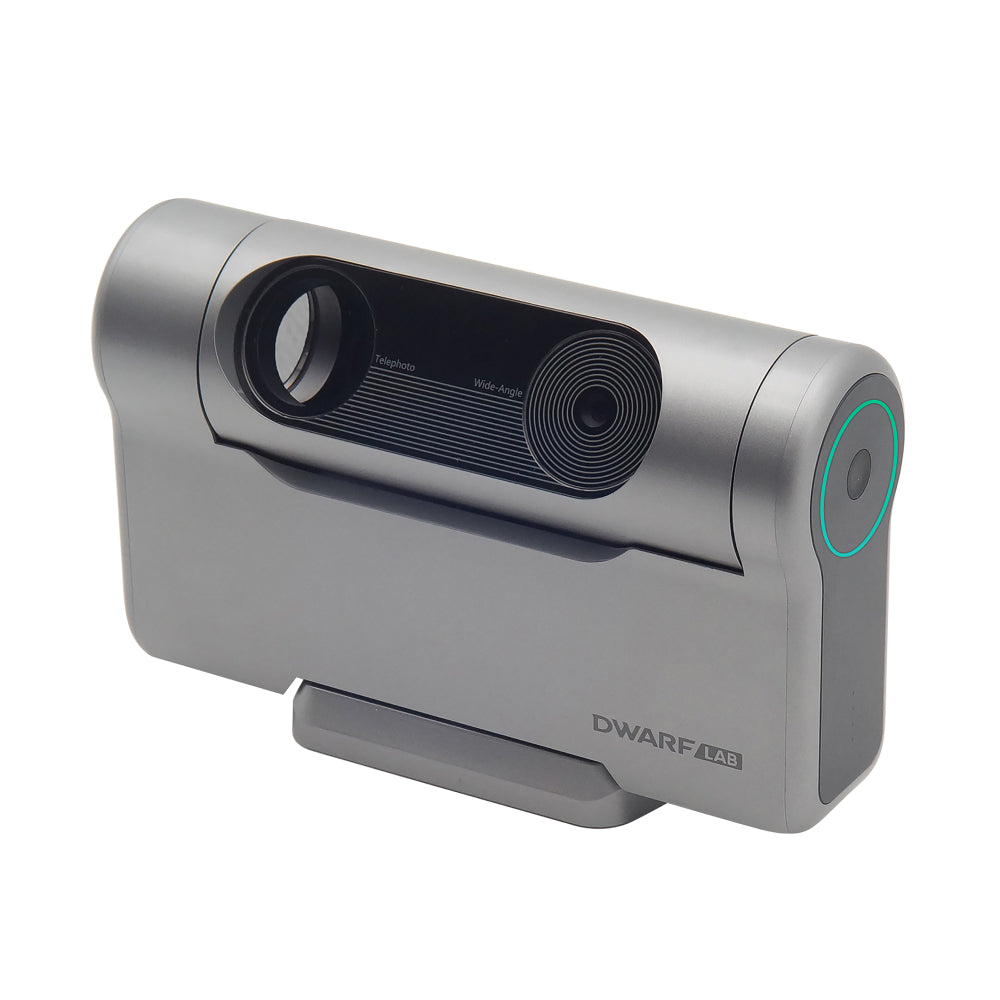
Dwarf Labs DWARF III
A portable smart scope that balances control and simplicity for serious astrophotography.
Affiliate link — we earn from qualifying purchases at no extra cost to you.
From the community
What owners say
Based on 24 Cloudy Nights discussions
What they love
- ✓Compact size and portability make it ideal for backpacking and travel
- ✓App provides good control over image capture with adjustable gain and exposure settings
- ✓Capable of producing decent quality images of nebulae with proper processing
- ✓Light-tight design allows taking darks 'in between' exposures
- ✓Solar system mode simplifies menu navigation for sun and moon imaging
What caught them off guard
- !Smaller field of view compared to Dwarf III (2.
- !Less aperture than Dwarf III (30mm vs 35mm)
- !Lower resolution than Dwarf III due to larger pixel size, affecting sun and moon imaging
- !Smaller battery capacity (7 Ah vs 10 Ah on Dwarf III)
- !Less RAM (64 GB vs 128 GB on Dwarf III)
Top targets reported by owners
What you'll see
M42 (Orion Nebula) – repeatedly imaged with narrowband filters (Ha/OIII/SII), producing detailed nebulosity. Users consistently collect long integration times (9+ hours mentioned multiple times) with good results using dual-band and narrowband filters.
M45 (Pleiades) – multiple users collected data on this target; one user obtained 3 hours of integration specifically for M45.
Witch Head Nebula – imaged successfully from Bortle 2 skies with good results using standard RGB filters.
Horse Head Nebula (IC 434) – users collected 14+ hours of duoband data with L-Extreme filter, described as producing good results.
Worth knowing before you buy
Fuzzy halos appear in star images from the Dwarf III, requiring careful post-processing with deconvolution or unsharp masking to correct, though experienced users report this is a processing issue rather than a hardware defect.
The Dwarf III has a smaller field of view (2.
The Dwarf III's internal stretched and processed JPG output is relatively poor quality compared to the Seestar S50, requiring users to process raw captures with external tools to get acceptable results.
Head to head
How it compares
DWARF III
Dwarf Labs
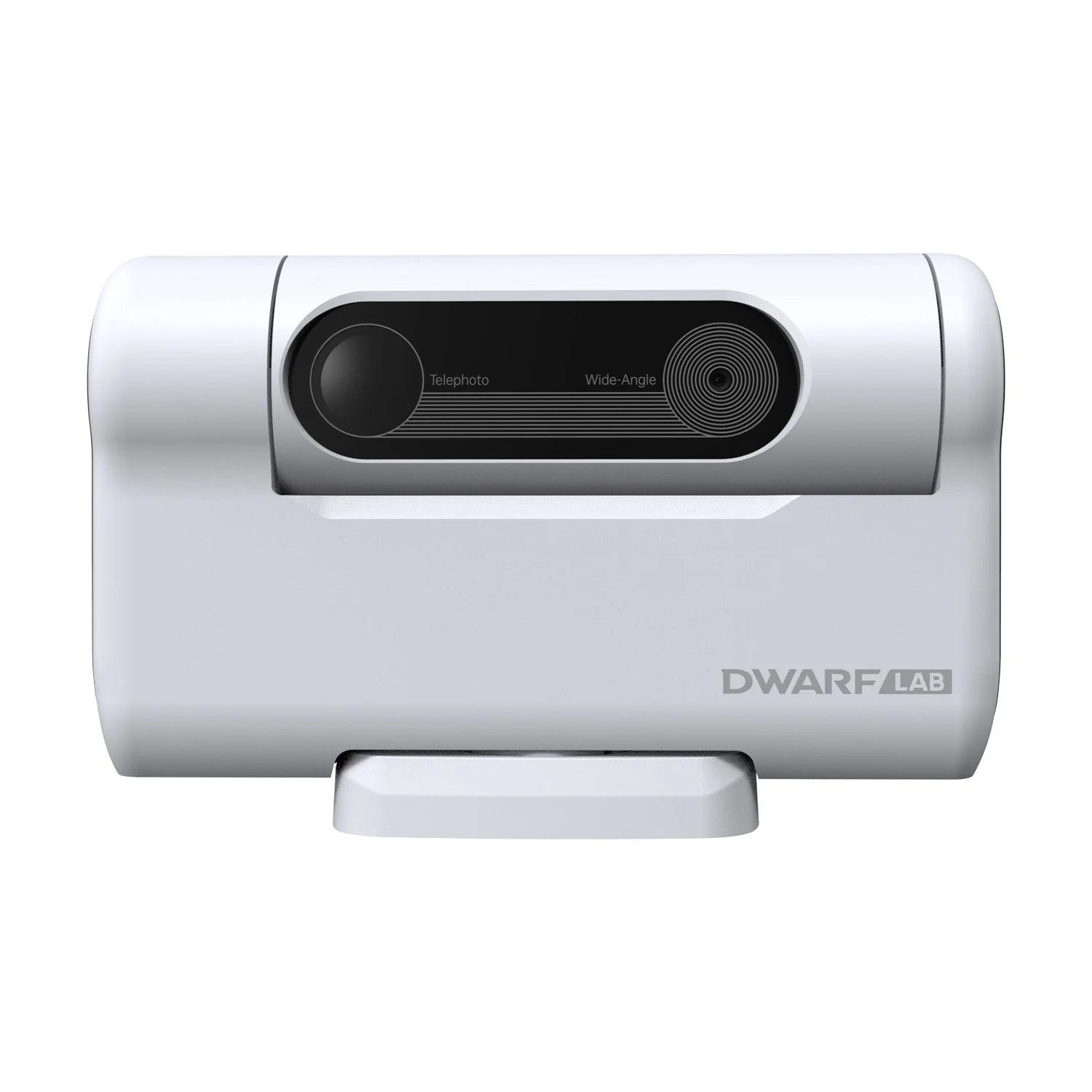
DWARF II
Dwarf Labs
24mm · GoTo Smart Telescope vs 24mm · GoTo Smart Telescope
Full comparison →
DWARF III
Dwarf Labs
Seestar S30 Pro
ZWO
24mm · GoTo Smart Telescope vs 30mm · GoTo Smart Telescope
Full comparison →
DWARF III
Dwarf Labs
Seestar S30
ZWO
24mm · GoTo Smart Telescope vs 30mm · GoTo Smart Telescope
Full comparison →
Frequently asked
Questions from owners
Sourced from Cloudy Nights discussions.
- How does the Dwarf III compare to the Seestar S30?
- The Dwarf III has a larger 35mm aperture versus the S30's 30mm, a newer IMX678 sensor versus the S30's older IMX585, and faster f/4.3 optics versus f/5.
- Does the Dwarf III produce sharp star images?
- Users report that star quality from the Dwarf III is good when properly processed, but the internally-stretched JPEGs from the scope show fuzzy halos and softness. Members experienced in post-processing consistently get sharp results, suggesting the issue is user processing skill rather than optical design.
- What are the Dwarf III's limitations compared to the Dwarf Mini?
- The Dwarf III has a larger field of view (2.95° × 1.
- Is the Dwarf app complicated to use?
- The Dwarf app requires more steps than competitors like Seestar to acquire and shoot a target—you must go through multiple menu screens to set gain, exposure time, and number of subs. However, this manual workflow gives experienced users precise control over their captures, and DwarfLab improved the app significantly over time to make it more stable and straightforward.
- Can the Dwarf III handle long exposures without dropping frames?
- Users report that with proper polar alignment, the Dwarf III can reliably handle 60-second exposures with almost no dropped frames, making it suitable for both EAA and deep-sky stacking.
- What processing tools does DwarfLab provide?
- DwarfLab provides online tools that automatically restack and stretch captures, producing better final images than the Seestar app's internal processing according to users who process raw data. However, these tools require additional steps compared to the simpler Seestar workflow.
Full Specifications
Optics
| Aperture | 24mm |
| Focal Length | 100mm |
| Focal Ratio | f/4.17 |
| Optical Design | Smart Telescope |
| Coatings | Multi-coated objective with upgraded optics |
Mount & Tracking
| Mount Type | Integrated |
| GoTo (Computerised) | Yes |
| Tracking | Yes |
| Tracking Motor | Integrated dual-axis motorised alt-az with improved gyroscope alignment |
Focuser
| Focuser Type | Fixed focus (app-controlled fine adjustment) |
Physical
| OTA Weight | 1.5kg |
| Total Weight (with mount) | 1.5kg |
| Tube Material | Polycarbonate and aluminium alloy |
Included Accessories
| Diagonal | No |
Smart Telescope Features
| Built-in Camera | Yes |
| App Controlled | Yes |
| WiFi | Yes |
| Battery Included | Yes |
| Sensor | 1/1.8" Sony CMOS |
| Sensor Resolution | 4MP |