Browse·Refractors·William Optics GT81
William Optics
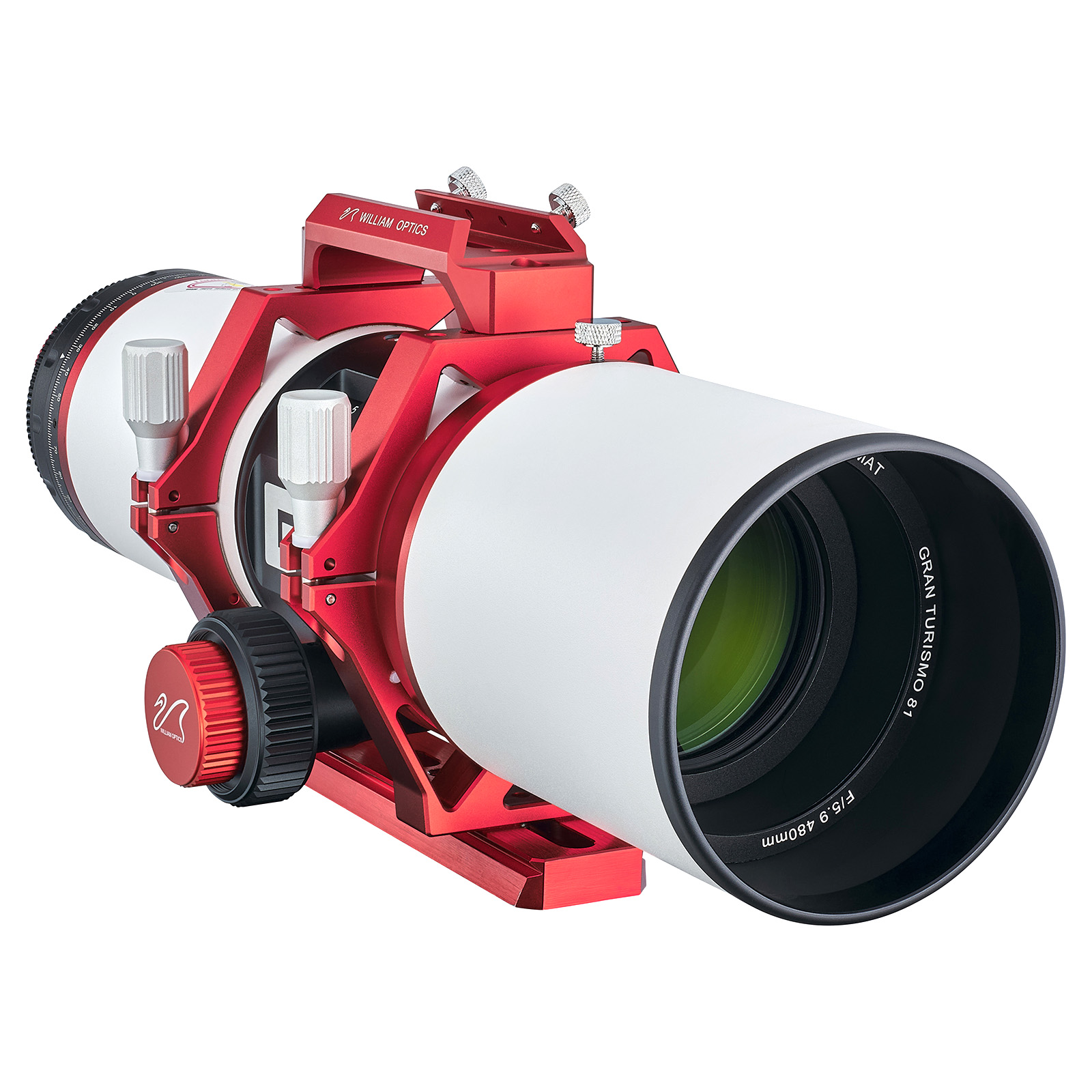
William Optics GT81
A flat-field apo that delivers exceptional wide-field imaging but struggles with diffraction artifacts.
Affiliate link — we earn from qualifying purchases at no extra cost to you.
From the community
What owners say
Based on 25 Cloudy Nights discussions
What they love
- ✓Excellent image scale with APS-C size sensor
- ✓Integrated flattener eliminates need to fiddle with spacing
- ✓Excellent corner performance and field flatness
- ✓Produces circular stars edge to edge at the scale of the scope
- ✓Excellent focuser quality
What caught them off guard
- !Pinched optics creating visible diffraction spikes in star images - described as a deal-breaker by some users
- !Unusual spike pattern (6-8 spikes) caused by 4 soft plastic tips from lens cell adjustment screws in the light path
- !Users disappointed to discover spike issue is by design, not a manufacturing defect or fixable problem
- !Spike pattern unexpected for a refractor - users buy APOs specifically to avoid spikes
Top targets reported by owners
What you'll see
Moon
live color imaging capability mentioned as example use case
Globular clusters
mentioned as impressive through similar aperture refractors
Bright planetary objects
suitable for short exposures with the SmartEye device
Worth knowing before you buy
Produces 6-8 diffraction spikes from soft plastic lens cell adjustment screws that are intentionally in the light path;…
Focuser is a rack-and-pinion design that some users find less smooth than aftermarket alternatives like Moonlite
66mm of back focus may be limiting for some camera and accessory combinations, particularly with off-axis guiders
Head to head
How it compares
GT81
William Optics
Zenithstar 81
William Optics
81mm · Manual Refractor vs 81mm · Manual Refractor
Full comparison →
GT81
William Optics
Esprit 80ED
Sky-Watcher
81mm · Manual Refractor vs 80mm · Manual Refractor
Full comparison →
GT81
William Optics
Evostar 80ED + HEQ5 Pro
Sky-Watcher
81mm · Manual Refractor vs 80mm · GoTo Refractor
Full comparison →
GT81
William Optics
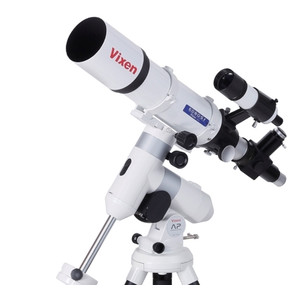
ED80Sf
Vixen
81mm · Manual Refractor vs 80mm · Manual Refractor
Full comparison →
Frequently asked
Questions from owners
Sourced from Cloudy Nights discussions.
- What are the diffraction spikes like on the GT81?
- The GT81 produces distinctive 6-8 spikes that William Optics states come from the soft plastic adjustment tips in the lens cells, not pinched optics. Some owners accept this as a characteristic of the design, while others find it unacceptable for a refractor, though the spikes are less apparent at the scope's typical imaging scale.
- How good is the focuser for imaging?
- Users report the focuser is excellent for a scope in this price range, with smooth rack-and-pinion action that works well for both visual and imaging applications. The built-in spacing eliminates the need to fiddle with back focus adjustments common with other fast astrographs.
- How flat is the field for imaging across an APS-C sensor?
- The integrated flattener produces good corner performance on APS-C sensors according to users who have tested it, with corner stars described as excellent. This is a major advantage over slower refractors that require external flatteners and spacing adjustments.
- Is this a true APO or just a fast ED doublet?
- The GT81 is a fast ED doublet (f/4.9), not a triplet APO, and shows noticeable chromatic aberration at higher magnifications for visual use.
- What mount do I need for the GT81?
- The GT81 weighs roughly 16-17 pounds with typical accessories, making it manageable on mid-sized mounts like a Losmandy GM-8 or comparable EQ mounts rated for 30+ pounds. Users note it's lightweight enough to avoid mount compatibility issues that plague heavier scopes.
Full Specifications
Optics
| Aperture | 81mm |
| Focal Length | 478mm |
| Focal Ratio | f/5.9 |
| Optical Design | Refractor |
| Lens Elements | 3-element |
| Coatings | Fully multi-coated FMC ED triplet on all air-to-glass surfaces |
Mount & Tracking
| GoTo (Computerised) | No |
| Tracking | No |
Focuser
| Focuser Size | 2" / 1.25" |
| Focuser Type | Dual-speed Crayford 2" (10:1 reduction fine focus) |
Physical
| OTA Weight | 2.5kg |
| Tube Length | 380mm |
| Tube Material | Aluminium, anodised |
Included Accessories
| Diagonal | No |