Browse·Compounds·Celestron NexStar 4SE
Celestron
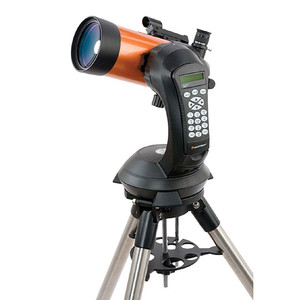
Celestron NexStar 4SE
Compact Maksutov with go-to smarts that excels at planets and lunar detail.
Affiliate link — we earn from qualifying purchases at no extra cost to you.
Top targets reported by owners
What you'll see
The Moon
detailed crater views including craterlets inside Plato (confirmed achievable with 8SE in forum disc…
Jupiter
good detail visible, red spot resolvable, moons easily captured
Planets in general
Mak-Cas design praised for high contrast on planetary targets
Worth knowing before you buy
The 4SE has limited aperture for deep sky objects in suburban/light-polluted settings, with one experienced dealer recommending it primarily for planetary and lunar observation rather than DSO viewing.
The 4SE and 5SE mounts cannot be properly wedged for equatorial tracking without modification, limiting their usefulness for DSO astrophotography compared to the 6SE and 8SE which accept separate wedges.
The 4SE's inherent high magnification as a Mak-Cas design makes it less suitable for DSO observation compared to refractors or larger aperture telescopes that can operate at lower magnifications.
Head to head
How it compares
NexStar 4SE
Celestron
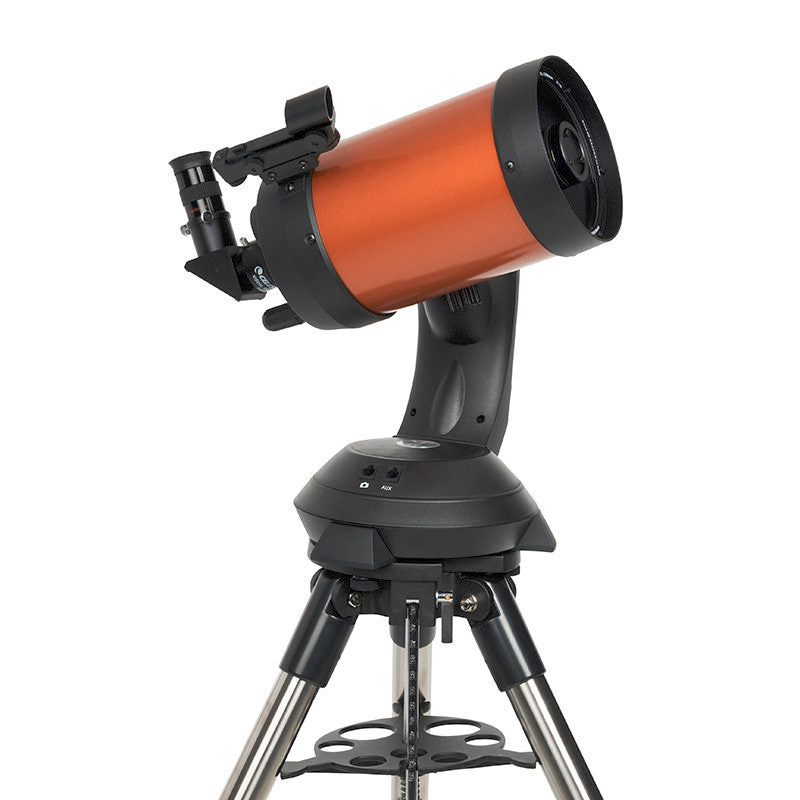
NexStar 5SE
Celestron
102mm · GoTo Maksutov-Cassegrain vs 125mm · GoTo Schmidt-Cassegrain
Full comparison →
NexStar 4SE
Celestron
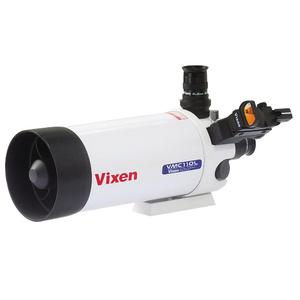
VMC110L
Vixen
102mm · GoTo Maksutov-Cassegrain vs 110mm · Manual Maksutov-Cassegrain
Full comparison →
NexStar 4SE
Celestron
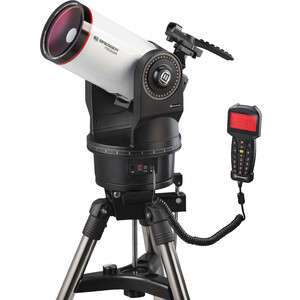
Messier MC-127/1900 GoTo
Bresser
102mm · GoTo Maksutov-Cassegrain vs 127mm · GoTo Maksutov-Cassegrain
Full comparison →
NexStar 4SE
Celestron
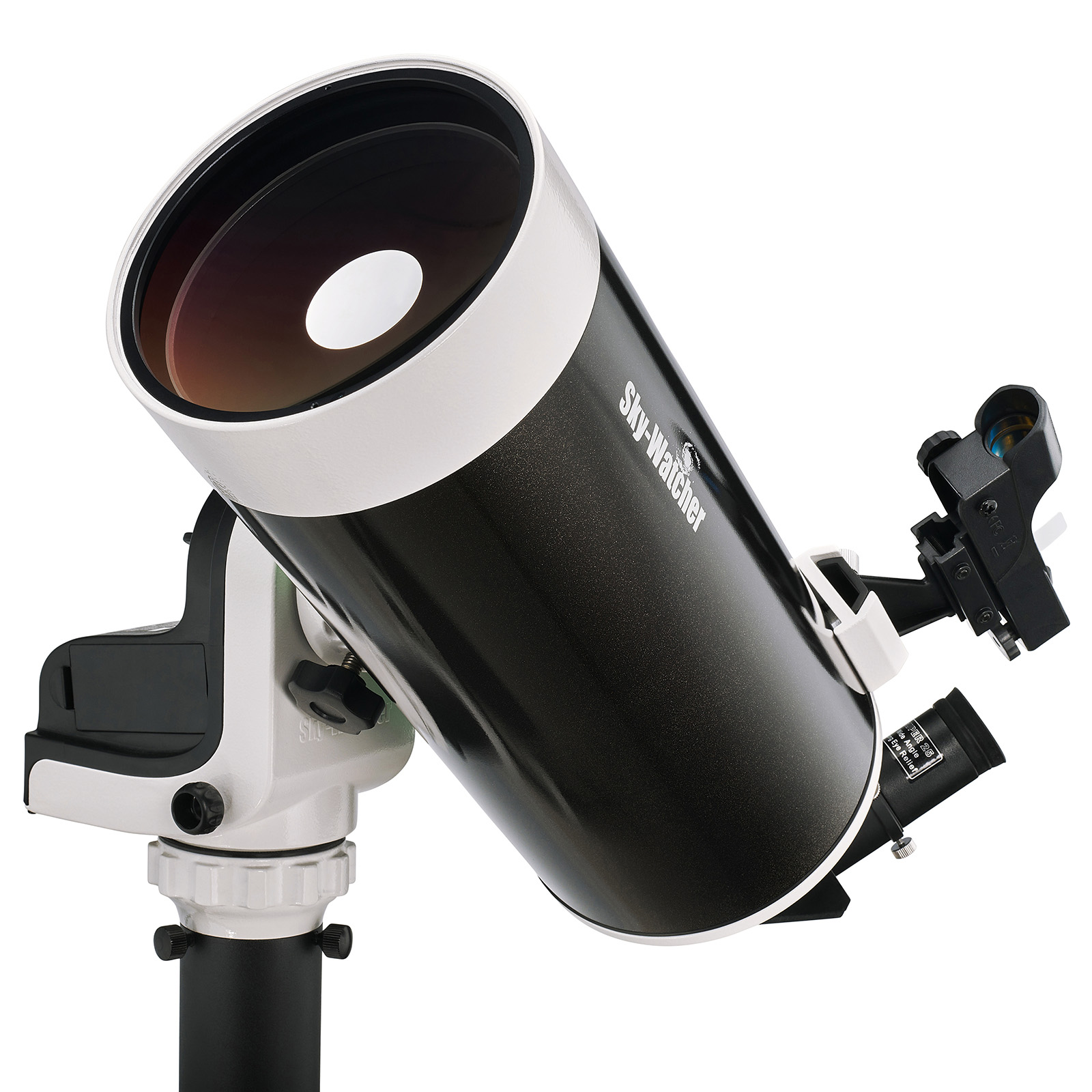
SkyMax 127 AZ-GTe
Sky-Watcher
102mm · GoTo Maksutov-Cassegrain vs 127mm · GoTo Maksutov-Cassegrain
Full comparison →
Frequently asked
Questions from owners
Sourced from Cloudy Nights discussions.
- How does the 4SE compare to the 5SE for suburban observing?
- A local telescope dealer recommended the 4SE over the 5SE for light-polluted suburban skies, citing the Mak-Cass design's superior contrast as more important than the aperture difference in that environment. However, forum members note that more aperture is always better, and the choice depends on whether contrast or light-gathering is your priority.
- Can the 4SE or 5SE do beginner astrophotography?
- The 4SE and 5SE mounts can be tilted as crude wedges to attempt equatorial imaging, allowing basic untracked DSO experiments. However, members emphasize these small alt-az systems are not optimal for DSO astrophotography and lack the field-rotation control needed for long exposures; they work better for planetary imaging and short-exposure moon work.
- Is the NexStar 4SE portable enough for grab-and-go observing?
- Members consistently describe the 4SE, 5SE, 6SE, and 8SE as 'very portable' and suitable for taking on a moment's notice, with one member noting a strict 30-pound handling limit. The 4SE is described as 'a tiny bit more portable' than the 5SE, though the difference is minor.
- Can I use a smartphone or DSLR for planetary imaging with these mounts?
- Members successfully attach smartphones to eyepieces for simple planetary imaging, and recommend using video capture with a DSLR or dedicated planetary camera (like Orion's StarShoot) combined with RegiStax stacking software. Multiple forum posts show clear Jupiter and lunar images captured this way with NexStar 4SE and 5SE models.
- What accessories are essential for the 4SE or 5SE?
- A wedge is important if you plan any astrophotography, as the default alt-az mount rotates the field. Members recommend a Barlow lens for additional magnification on planets, quality eyepieces, and a solar filter if observing the sun.
Full Specifications
Optics
| Aperture | 102mm |
| Focal Length | 1325mm |
| Focal Ratio | f/12.99 |
| Optical Design | Maksutov-Cassegrain |
| Coatings | StarBright XLT fully multi-coated |
Mount & Tracking
| Mount Type | GoTo (Computerised) |
| GoTo (Computerised) | Yes |
| Tracking | Yes |
| Tracking Motor | Single axis (alt-az) |
Focuser
| Focuser Size | 1.25" |
| Focuser Type | SCT rear cell with focuser knob |
Physical
| OTA Weight | 1.36kg |
| Total Weight (with mount) | 4.5kg |
| Tube Length | 330mm |
| Tube Material | Aluminium |
Included Accessories
| Eyepieces | 25mm Plössl |
| Finder Scope | StarPointer red dot finder |
| Diagonal | Yes |